Natural stone flooring is one of the defining features of luxury homes throughout Manhasset and Great Neck. Yet even the most beautiful marble or granite surfaces eventually begin to lose clarity, shine, or uniformity. When that happens, homeowners often search for a restoration method, only to discover a confusing question: Should the stone be polished, or honed?
This uncertainty can make it difficult to choose the right service, especially when each finish changes the look and feel of the home in very different ways.
In this guide, we break down the real differences between polishing and honing so homeowners can confidently choose the finish that aligns with their stone type, architectural style, and long-term maintenance needs.
What Is the Difference Between Polishing & Honing?
Although both processes are part of stone restoration, polishing and honing serve different purposes and create distinct finishes.
What Is Honing?
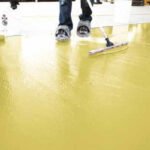
Honing uses diamond abrasives to remove surface scratches, etching, or dull areas while producing a smooth, matte, or satin finish. It does not create shine; instead, it restores uniformity and soft texture.
What Is Polishing?
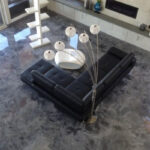
Polishing uses progressively finer abrasives to bring the stone to a glossy, reflective finish. It enhances depth, sheen, and clarity, which is ideal for homeowners who want their floors to shine like a mirror.
Understanding polishing vs honing is essential because each treatment supports different needs, lifestyles, and design preferences.
Marble Polishing vs Honing Differences
Marble is one of the most popular materials in Manhasset and Great Neck homes, especially in entrances, kitchens, and bathrooms. But marble is also softer than granite, making it prone to etching, dullness, and wear.
When to Choose Marble Honing
Honing is ideal when marble surfaces have:
- Etch marks from acidic spills
- Scratches or traffic wear
- A desire for a modern, matte aesthetic
- Floors that get frequent heavy use
Honed marble is easier to maintain in high-traffic areas because it doesn’t show marks as easily as polished marble.
When to Choose Marble Polishing
Polishing is preferred when homeowners want:
- A high-gloss, luxurious finish
- Color depth and veining enhancement
- A reflective, upscale look
- A protective finish that resists light staining
For homes in Manhasset, NY, polished marble is extremely popular in foyer spaces where elegance sets the tone. In Great Neck, NY, many homeowners choose polished marble for master bathrooms and formal living rooms.
Honing vs Polishing for Stone Floors
Different stones react differently to honing and polishing. Below is a general guide:
Granite Floors
- Honing: Helps remove scratches and level uneven areas.
- Polishing: Provides a durable, glossy finish for countertops and high-end floors.
Terrazzo Floors
- Honing: Ideal for refinishing older terrazzo that has lost its uniformity.
- Polishing: Restores shine and brings out the aggregate’s natural color and pattern.
Limestone & Travertine
- Honing: Recommended due to naturally soft surfaces.
- Polishing: Possible but requires more frequent maintenance.
Stone Finishes in Manhasset, NY
Homes in Manhasset, particularly in neighborhoods like the Strathmore community, Plandome, and Flower Hill, often feature marble or granite flooring in grand foyers and kitchens. These homes typically lean toward polished finishes because:
- Natural light enhances the reflective effect
- Polishing creates a “luxury estate” aesthetic
- It highlights the stone’s color depth and character
However, modern renovations in Manhasset are moving toward honed marble and granite in kitchens and bathrooms for a softer, contemporary look.
If your home requires surface correction, deep restoration, or full refinishing, our marble restoration service brings every surface back to life with precision craftsmanship.
Stone Honing Services in Great Neck, NY
Great Neck homes, especially in Kings Point, Saddle Rock, and Great Neck Estates, often feature stone materials that withstand heavy use, such as terrazzo, limestone, and travertine. Many homeowners prefer a honed finish for:
- Less maintenance
- A natural, understated aesthetic
- Better resistance to visible etching and scratches
Families with children, pets, or high foot traffic often find that honed stone floors stay looking newer for longer. Still, polished stone remains popular in more formal rooms where elegance is a priority.
We provide expert stone honing services, ensuring your flooring perfectly complements the lifestyle and architectural style of your home.
Which Is Better: Polishing or Honing?
There is no universally better option, only what works best for your flooring and your home.
Choose Honing If You Want:
- A matte or satin finish
- A modern, natural look
- Less maintenance in busy areas
- Better concealment of etches and scratches
Choose Polishing If You Want:
- A glossy, reflective finish
- Highlighted veining or aggregate
- A luxurious, high-end appearance
- A finish that resists mild stains
If you’re unsure, our team can assess your floor and recommend the correct service based on the condition of the stone, your lifestyle, and your design goals.
Polishing vs Honing: Cost Differences
Pricing depends on:
- Stone type
- Surface condition
- Square footage
- Whether restoration is needed before finishing
Generally:
- Honing is typically more affordable because it requires fewer refinement steps.
- Polishing may cost more due to additional polishing stages and the need for specialized equipment.
For older homes in Great Neck and Manhasset, floors sometimes need deep marble, granite, or terrazzo restoration before honing or polishing can be performed.
Maintenance Differences After Polishing vs Honing
After Honing
- Use pH-neutral stone cleaners to prevent additional etching or dulling.
- Apply regular sealing, especially for stones like marble or limestone that are naturally more absorbent.
- Ideal for high-traffic areas in Manhasset and Great Neck, since honed surfaces conceal minor wear more effectively.
After Polishing
- Avoid acidic or abrasive cleaners, which can break down the polished layer and cause etching.
- Follow a professional sealing schedule based on the type of stone and the amount of use it receives.
- Maintain the reflective finish using soft microfiber pads that won’t scratch the stone.
Whether you prefer a matte honed finish or a glossy polished one, routine professional care helps your floors retain their beauty and structural integrity over time. If your home also features marble countertops, be sure to read our guide: How to Do Marble Countertop Maintenance in Coastal Areas Like East Hampton & Oyster Bay.
When Should You Restore vs Refinish?
Sometimes the issue isn’t just the finish, it’s the overall condition.
Choose Restoration When:
- Stone has deep scratches
- There are chips, dull patches, or etching
- The surface is uneven
- Previous DIY or contractor treatments caused damage
At Old Stone Restoration & Installation Corp, we offer full marble, granite, and terrazzo restoration, giving worn or dated floors a completely renewed appearance.
Choose Refinishing (Honing or Polishing) When:
- The stone is structurally sound
- Only the finish needs correction
- You want an aesthetic upgrade
Conclusion
Whether you live in Manhasset or Great Neck, the choice between polishing and honing depends on your stone type, your home’s aesthetic, and your maintenance preferences. Honing provides a softer, modern feel ideal for active households, while polishing delivers a striking, glossy impact perfect for formal and luxurious spaces.
At Old Stone Restoration & Installation Corp, we offer expert stone care tailored to Long Island’s most prestigious neighbourhoods. Whether your stone floors need a full restoration or simply a refreshed finish, our team provides the craftsmanship needed to protect and enhance your investment for years to come. Call us at (631) 821-5619 to book a service.