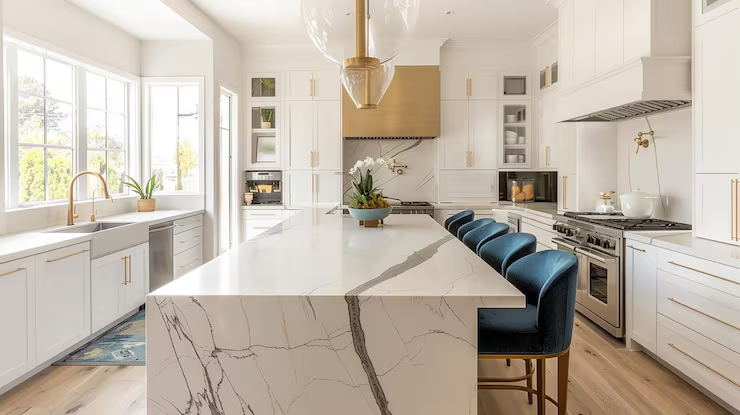
Choosing the right countertop can feel confusing. Many homeowners search for cultured marble vs granite countertops because both look beautiful but work very differently. In this simple guide, you’ll learn what each material is, how much they cost, how long they last, and which one is best for your home.
At Old Stone Restoration & Installation Corp, with 35+ years of experience (since 1990), we’ve restored thousands of marble and granite surfaces across Long Island. Based on real work, not just theory, this guide will help you make the right choice.
Quick Comparison: Cultured Marble vs Granite Countertops
| Feature | Cultured Marble | Granite |
|---|---|---|
| Material | Engineered (man-made) | Natural stone |
| Cost | Lower | Medium to high |
| Durability | Moderate | Very high |
| Maintenance | Low | Medium |
| Heat Resistance | Low | High |
| Lifespan | 10–20 years | 30+ years |
What Are Cultured Marble Countertops?
Cultured marble is a mix of crushed marble stone (about 75%) and resin. It is shaped in molds and finished with a smooth gel coating.
One big reason people choose it is because it is a non-porous countertop, which means it does not absorb water easily. This makes cleaning simple.
It also comes in many colors and styles, so you can match it with your bathroom or kitchen design. Compared to natural stone vs engineered stone, cultured marble falls in the engineered category.
What Are Granite Countertops?
Granite is a natural stone that comes from the earth. Each slab is cut from large rocks, which means every piece is unique.
Granite is known for its strength and beauty. It can handle heat from hot pans and resists scratches better than most materials. This is why granite countertops durability is often considered one of the best in the market.
Appearance & Design: Which Looks Better?
Cultured marble has a smooth and even look. It often looks softer and more uniform. This is great if you want a clean and simple design.
Granite, on the other hand, has natural patterns. No two slabs look the same. It gives a rich and premium feel to kitchens and bathrooms.
Durability & Lifespan (Expert Insight)
When it comes to countertop lifespan, granite clearly lasts longer.
Granite:
- Very strong and hard
- Can resist heat and scratches
- Can last over 30 years with proper care
Cultured Marble:
- Softer surface
- Can scratch, chip, or burn with heat
- Usually lasts 10–20 years
In our 35+ years of restoration work, granite surfaces usually need fewer repairs. Cultured marble is more likely to get surface damage over time.
Maintenance & Cleaning Guide
If you are looking for a simple countertop maintenance guide, here’s what you need to know.
Cultured marble is easy to maintain. Since it is non-porous, it does not need sealing. You can clean it with mild soap and water.
Granite needs a bit more care. It is slightly porous, so it should be sealed once a year. This helps prevent stains and keeps the surface strong.
If your stone has lost its shine, professional marble restoration in Long Island can bring it back to life.
Granite vs Cultured Marble Cost (2026)
Cost is one of the biggest deciding factors.
Cultured Marble:
- $30 to $100 per square foot
- Lower installation cost
- Budget-friendly option
Granite:
- $35 to $100 per square foot
- Installation may cost more
- Higher long-term value
While the starting price looks similar, granite often lasts longer, which makes it a better investment over time.
Best Use Cases (Where Each Works Best)
Best for Bathrooms → Cultured Marble
Cultured marble is a great choice for bathrooms. It allows seamless sinks and smooth finishes. It is also more affordable, which is helpful for large bathroom projects.
Best for Kitchens → Granite
Granite is better for kitchens because it handles heat and heavy use. If you cook often, granite is the safer and stronger option.
Cultured Marble Countertops Pros and Cons
Cultured marble has its own benefits and drawbacks.
Pros:
- Affordable
- Easy to clean
- Non-porous surface
Cons:
- Can scratch or chip
- Not heat resistant
- Less natural look
Granite Countertops Pros and Cons
Granite is a premium option, but it also has some downsides.
Pros:
- Very durable
- Heat resistant
- Natural and unique appearance
Cons:
- Needs sealing
- Higher upfront cost
Restoration & Repair (Important for Long-Term Care)
Over time, both materials can lose their shine. Scratches, stains, and dull spots are common.
Professional marble and granite restoration can fix these problems and make surfaces look new again. If you are looking for expert care, check this service:
We also provide trusted granite restoration in Long Island, helping homeowners protect their investment for years.
Which One Should You Choose?
Your choice depends on your needs and budget.
Choose Cultured Marble if:
- You want a lower-cost option
- You are working on a bathroom
- You want easy maintenance
Choose Granite if:
- You want a long-term investment
- You need strong kitchen countertops
- You prefer natural stone beauty
Expert Verdict
Based on our experience since 1990, granite is usually the better long-term choice for most homes. It lasts longer and handles daily use better.
However, cultured marble is still a smart option for budget-friendly bathroom designs.
Conclusion
Both materials have their place. Cultured marble is simple, affordable, and easy to maintain. Granite is strong, natural, and built to last.
If your countertops need expert care, Old Stone Restoration & Installation Corp provides trusted services across Long Island. With 35+ years of experience, we help restore and protect your stone surfaces so they look like new again.
FAQs
Is cultured marble cheaper than granite?
Yes, cultured marble is usually more affordable, especially for large areas.
Does granite require sealing?
Yes, sealing once a year helps protect it from stains.
Which lasts longer?
Granite lasts much longer, often over 30 years.
Can cultured marble be restored?
Yes, but it is more limited compared to natural stone restoration.
Is granite worth the cost?
Yes, because it lasts longer and adds more value to your home.