When people want to protect concrete floors, two popular choices come up — polyaspartic and epoxy. Many homeowners and business owners ask one simple question: Which one lasts longer?
This guide explains everything in very simple language. By the end, you will clearly understand which coating may be better for your floor and why.
What Is Polyaspartic Floor Coating?
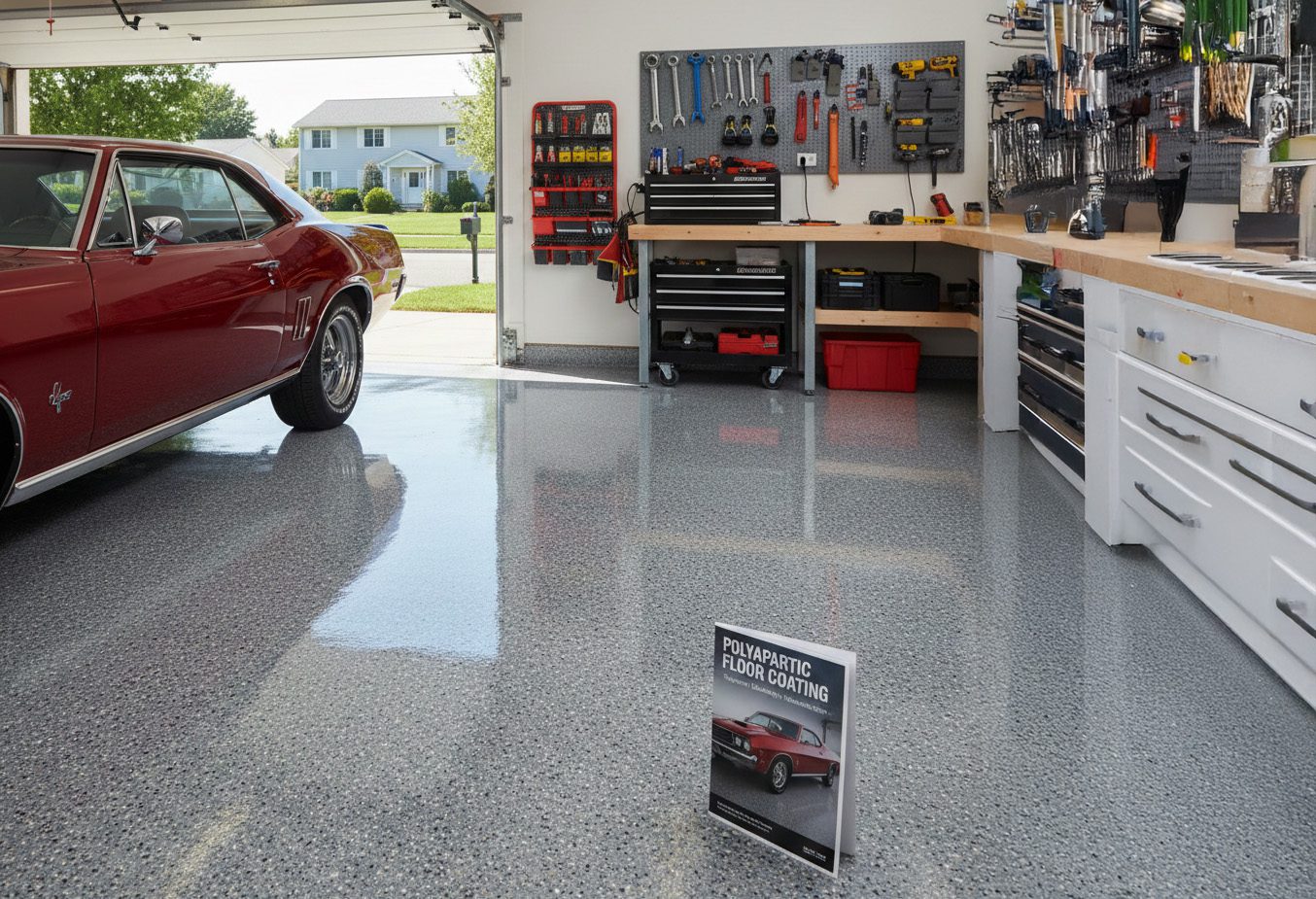
Polyaspartic is a newer type of floor coating. It is designed to be strong, flexible, and long lasting. It also dries very fast, sometimes in just a few hours.
Polyaspartic coatings are known for:
Strong resistance to chemicals and scratches
UV resistance (does not turn yellow in sunlight)
Flexibility, which helps prevent cracks
Long lifespan with low maintenance
Studies show polyaspartic coatings often last 10–20 years or more when installed properly.
What Is Epoxy Floor Coating?
Epoxy is a very popular and older floor coating system. It creates a hard, protective layer on top of concrete.
Epoxy is known for:
However, most epoxy floors last around 5–10 years, depending on use and installation quality.
Polyaspartic vs Epoxy Floor Coating: Which Lasts Longer?
Average Lifespan Comparison
This means polyaspartic can last almost double or even triple in some cases.
Why Polyaspartic Floors Usually Last Longer
1. Better Flexibility
Concrete expands and shrinks with weather changes. Epoxy is hard but not flexible. Polyaspartic is flexible and moves with concrete, reducing cracks.
2. Strong UV Protection
Epoxy can turn yellow in sunlight. Polyaspartic stays clear and strong even outdoors.
3. Higher Chemical and Scratch Resistance
Polyaspartic handles chemicals, oils, and heavy traffic better over time.
When Epoxy Might Still Be a Good Choice
Even though polyaspartic lasts longer, epoxy is still useful.
Epoxy works well if:
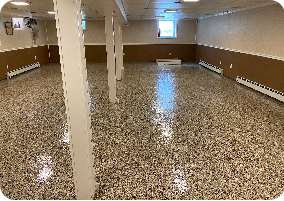
Many homes still use epoxy successfully for garages and basements.
Does Installation Quality Affect Lifespan?
Yes — this is very important.
Even the best coating can fail if:
Surface is not prepared correctly
Moisture is trapped in concrete
Cheap materials are used
Installer lacks experience
Professional installation can add many years to coating life.
Cure Time Difference (Why It Matters)
Polyaspartic dries much faster:
Fast curing means less downtime for homes and businesses.
Maintenance Differences
Polyaspartic:
Epoxy:
Polyaspartic floors usually stay looking new longer.
Real Answer: Which Floor Coating Should You Choose?
Choose Polyaspartic if:
You want the longest lifespan, outdoor use, or heavy traffic durability.
Choose Epoxy if:
You want a cost-effective indoor flooring solution.
The best choice depends on your budget, usage, and environment.
About Our Experience
At Old Stone Restoration & Installation Corp, flooring and surface restoration is not new to us. Our company has been family owned and operating since 1990 and has served customers for over 35+ years. We have worked with materials like stone, terrazzo, polished concrete, and epoxy flooring across residential and commercial projects.
This long experience helps ensure proper surface preparation, correct material selection, and long-lasting results for every project.
If you are considering polyaspartic floor coating vs epoxy, our team can help you choose the right system based on your floor condition and usage needs.
At Old Stone Restoration & Installation Corp we offer epoxy floor coating services in Long Island at affordable price.
Final Thoughts
If you only compare lifespan, polyaspartic usually wins. But epoxy is still a great choice for many indoor floors. The most important factor is professional installation and proper surface preparation.
When installed correctly, both coatings can protect your floor for many years.
FAQs
How long does polyaspartic floor coating last?
Usually 10–20 years or more with proper installation and maintenance.
How long does epoxy floor coating last?
Most epoxy floors last about 5–10 years depending on traffic and care.
Is polyaspartic better than epoxy?
For lifespan, UV resistance, and flexibility — yes. But epoxy is still good for budget indoor projects.
Is polyaspartic more expensive than epoxy?
Yes, usually. But it may save money long term because it lasts longer.
Can epoxy last 20 years?
Sometimes, but usually only in low-traffic areas with perfect installation and maintenance.
Thinking about an Industrial epoxy floor contractor? Great choice! Epoxy creates a seamless, durable surface that resists stains, chemicals, and wear. The secret to a long‑lasting finish is preparation. Here’s how to get your floor ready and what to expect from start to finish.Before You Start: Check Conditions and Gather Tools
- Concrete age and condition: New pours should cure at least 28 days. Epoxy bonds best to clean, sound, dry concrete.
- Tools and supplies: Vacuum with fine dust filter, stiff brooms, mop, floor grinder or etching supplies, crack/patch materials, squeegee, 3/8″–1/2″ nap rollers, mixing buckets, drill/paddle, tape, plastic sheeting, gloves, eye protection, respirator.
- Temperature and humidity: Most epoxies prefer 60–80°F and moderate humidity. Follow your product’s technical data sheet.
Step‑by‑step Surface Preparation
Step 1: Clear the space: Remove all items. Mask baseboards, walls, thresholds, and drains.Step 2: Check for sealers/contaminants:- Water test: If water beads, there’s sealer or oil that must be removed.
- Removal: Mechanical grinding or shot‑blasting is most reliable. If you acid‑etch, neutralize and rinse thoroughly. Aim for CSP 2–3 profile.
Step 3: Degrease thoroughly:- Use an alkaline degreaser on oil spots; scrub and rinse until water runs clear.
- Stubborn oil may require poultice products or additional grinding.
Step 4: Verify moisture:- Do a taped plastic sheet test (2’×2′ for 24 hours) or use calcium chloride/in‑slab RH testing.
- If moisture is high, use a moisture‑mitigation epoxy primer or address vapor issues first.
Step 5: Repair defects:- Fill cracks, spalls, and divots with compatible epoxy or polyurea patch compounds.
- Feather edges are smooth. Do not rigidly fill active control/expansion joints; honor them or use flexible joint material later.
Step 6: Profile and clean:- Grind or etch to open pores.
- Vacuum meticulously; residual dust can cause peeling.
- Wipe with a manufacturer‑approved, solvent‑free cleaner if specified
What To Expect During The Process
Mixing and pot life:
- Epoxy is two‑part; measure and mix precisely.
- Observe any induction time and watch pot life, warmer temps shorten working time. Mix manageable batches.
Primer coat:
- Improves bond, reduces pinholes, and helps with outgassing.
- Apply with a squeegee and backroll evenly. Use de‑foaming rollers if recommended.
Base coat and decorative flakes (optional):
- Roll the base coat in sections, maintaining a wet edge.
- Broadcast flakes “to rejection” while wet. After cure, scrape and vacuum excess.
Topcoat:
- Seal with clear epoxy, polyurethane, or polyaspartic for UV, scratch, and chemical resistance.
- Add anti‑slip aggregate for wet areas. Crisscross backrolling helps avoid holidays and roller marks.
Cure times:
- Light foot traffic: 12–24 hours.
- Replace items: 48–72 hours.
- Vehicle traffic: 3–7 days (product and conditions vary).
- Keep temperatures stable; avoid washing or covering during early cure.
Odor, noise, and dust:
- Expect grinder noise and some dust during prep (use quality vacuums).
- Coatings can have noticeable odor, So, ventilate and use PPE
Common Pitfalls To Avoid
- Coating over moisture, oil, or sealer contamination.
- Skipping mechanical profiling or inadequate cleaning.
- Working outside the product’s temperature/humidity range.
- Missing recoat windows or over‑rolling partially cured epoxy. Ignoring control/expansion joints.
Precautions and Aftercare
- Sweep and mop with a neutral cleaner; avoid harsh acids and abrasives.
- Use mats at entries and under kickstands or jacks to prevent point loading.
- Re‑topcoat as needed to refresh gloss and protection.
With careful prep and realistic expectations about timeline and cure, you’ll get a tough, great‑looking epoxy floor that lasts. Always follow your specific product’s technical data for best results.Ready To Explore Epoxy Coating For Your Floor?
Contact our expert team today: call (631) 821-5619 or email info@oldstonerestoration.com. We’ll provide a free site evaluation, walk you through the epoxy system and finish options (solid color, flake, quartz, metallic, anti-slip) and connect you with trusted epoxy flooring contractors and certified installers. Let’s get your floors protected and optimized for longevity, performance, and value.
Selecting the right flooring system is a critical decision that impacts your facility’s safety, efficiency, and bottom line. Two of the most dominant options in commercial and industrial spaces are epoxy flooring and polished concrete. Each offers a powerful blend of durability and aesthetics, but they serve different operational needs. In this guide, we’ll explore both the options to help facility managers, property owners, and business executives identify the best solution based on cost, performance, and long-term value.What Is Polished Concrete?
Polished concrete is created through a refined mechanical process that grinds, hones, and polishes an existing concrete surface. The slab is densified and sealed to enhance hardness and reflectivity, resulting in a smooth, glossy, and dust-free finish.The result is a sophisticated surface that maximizes light reflection, reduces allergens, and complements a modern industrial aesthetic. Polished concrete transforms your existing slab into a long-lasting, low-maintenance surface ideal for high-traffic environments.What Is an Epoxy Floor System?
An epoxy floor system is a multi-layer protective coating applied directly to concrete. It typically involves surface preparation, a primer, a base coat, optional decorative flakes or metallics, and a final topcoat engineered for durability and design.Epoxy systems provide a seamless, non-porous finish that enhances safety and cleanliness. With a wide range of color options, finishes, and textures, epoxy flooring allows facilities to reflect their brand identity while meeting functional requirements for chemical resistance, slip resistance, and long-term wear.Epoxy Flooring vs. Polished Concrete: A Comparison
| Feature | Polished Concrete | Epoxy Flooring |
| Initial Investment | Cost-effective when the slab is in good condition | Competitive pricing that includes materials and coatings |
| Durability | Excellent abrasion resistance | Outstanding impact and chemical resistance |
| Maintenance | Minimal upkeep; easy to clean | Low maintenance; smooth surface resists dirt and moisture |
| Slip Resistance | Naturally smooth; optional anti-slip finish | Customizable with slip-resistant additives |
| Aesthetic Options | Clean, modern, high-gloss industrial look | Unlimited colors, textures, metallics, and branding designs |
| Application Settings | Ideal for retail, offices, and showrooms | Perfect for industrial, manufacturing, and healthcare facilities |
| Longevity | Extended lifespan with routine care | Long-lasting performance with proper maintenance |
Both polished concrete and epoxy flooring enhance functionality, protect your investment, and elevate the overall aesthetic of your space.Matching the Floor to Your Facility’s Needs
Polished Concrete Can Work For:- Retail stores, offices, and lobbies
- Warehouses and showrooms seeking a bright, minimalist aesthetic
- Facilities prioritizing reflectivity and clean, open design
Epoxy Flooring Can Be Ideal For:- Manufacturing and industrial plants
- Hospitals, laboratories, and clean rooms
- Food and beverage processing areas
- Parking garages, workshops, and loading docks
- Environments requiring chemical and impact resistance with design flexibility
Why Your Flooring Choice Is a Foundational Business Decision
Your flooring is more than just a surface; it’s a long-term asset that influences safety, productivity, and cost efficiency. The right flooring supports your business operations while reflecting your company’s professionalism and brand image.A well-installed system enhances workflow, resists wear, and improves lighting efficiency, creating a safer, brighter, and more comfortable workspace. Durable floors also reduce maintenance downtime and protect against everyday operational stress, delivering consistent performance year after year.From heavy machinery to high foot traffic, both epoxy flooring and polished concrete are designed to keep your facility running smoothly and looking exceptional. Investing in a high-quality flooring system is a strategic investment in your company’s success and longevity.Partner with Old Stone Restoration
At Old Stone Restoration & Installation Corp, every flooring project begins with understanding your facility’s environment, operational requirements, and aesthetic goals. Whether you’re drawn to the modern elegance of polished concrete or the customized performance of an epoxy floor system, our experienced team delivers solutions that align with your business needs.Ready to find the perfect flooring solution? Call us at (631) 821-5619 to discuss your needs.