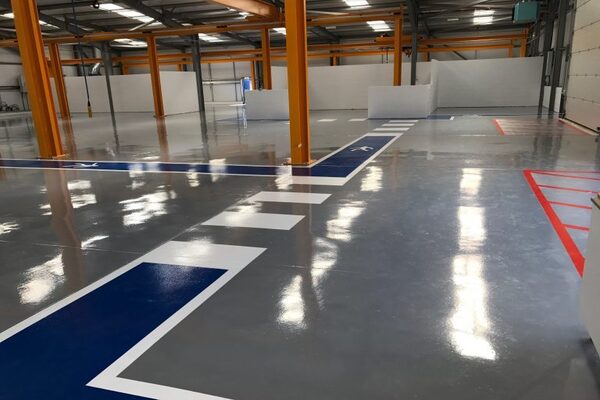
When selecting floor surfaces for high-traffic industrial or commercial facilities, facility managers must weigh performance, cost and long-term maintenance. Two common options: classic finish systems (vinyl, epoxy coatings, sealed concrete) vs. modern polished concrete finishes. Here’s a breakdown tailored for decision-makers, especially when working with expert concrete polishing contractors.
Understanding Polished Concrete Finishes
Polished concrete is not simply a sealed or coated floor—it’s a mechanically ground, honed and polished slab that yields a durable, glossy finish. According to industry information, the process uses diamond abrasives up to 3,000-grit to achieve a high‐polish look.
Working with qualified polished concrete installers ensures the substrate is properly prepared, densified and polished to the required level of sheen.
Key benefits:
Hard, wear-resistant surface that performs under heavy traffic.
Low maintenance: no coatings to peel, minimal waxing, easy cleaning.
Reflective quality that can enhance lighting efficiency.
Environmentally friendlier than some alternatives (fewer finishes, lower VOCs).
Traditional Finishes – What They Bring (and What They Don’t)
Traditional flooring and finish systems include sealed bare concrete, epoxy coatings, vinyl composite tile (VCT), carpet, and so forth. Each has its strengths, but also limitations:
Sealed concrete: Relatively low cost, but still subject to wear, dulling and potential dusting.
Epoxy/coating systems: Provide color, pattern and surface protection—but coatings can chip, require reapplication and may delaminate under heavy load.
VCT, carpet, tile: Offer design flexibility, but often higher maintenance (replacement, seam failures, wear in traffic zones), and may not meet durability demands of facility floors.
So when managers compare these traditional finishes to polished concrete, several practical considerations surface.
Durability & Lifecycle Cost Insights
Polished concrete generally wins on durability due to its structure: the floor is the slab itself, so wear is shallow rather than a separate layer. Traditional coatings or coverings are “add-ons” on top of the concrete slab and thus subject to delamination, movement, and replacement.
Research states polished concrete may degrade over time with heavy use, but it doesn’t peel like epoxy or polyurethane.
Meanwhile, coatings may need reapplication, especially in high-traffic zones, increasing lifecycle cost. Polished concrete installers emphasise that proper slab preparation and polishing reduce long-term cost.
For facility managers, the message is: consider total cost of ownership—not just installation cost. A polished concrete finish may cost more up front but reduce downtime, maintenance and replacement over many years.
Maintenance, Appearance & Performance Considerations
Maintenance: Polished concrete requires minimal maintenance—dust mop, neutral-pH cleaner, occasional re-polishing after many years. In contrast, coated finishes may need frequent resealing, repainting of lines, or patching of chips.
Appearance: Polished concrete delivers a modern, sleek aesthetic and high gloss if desired. According to Old Stone Restoration, polish up to #3,000 grit can achieve near-mirror reflection. Traditional finishes can offer design options, but their appearance may degrade faster.
Performance: In facility settings, factors like slip resistance, abrasion resistance and chemical resistance are important. Polished concrete offers good abrasion resistance; coatings can offer chemical resistance but may sacrifice toughness. Facility managers must align finish with use case.
When Polished Concrete Is the Right Choice (and When It’s Not)
Ideal for polished concrete:
Large warehouse floors, manufacturing plants, showrooms or commercial spaces with heavy traffic.
Facilities seeking low-maintenance, long-life flooring with high durability.
Areas where lighting cost reduction via reflectivity is beneficial.
Projects working with experienced concrete polishing contractors capable of proper substrate prep.
Consider alternative finishes when:
Substrate is poorly conditioned (e.g., low‐strength concrete, high moisture) and cannot be upgraded—polishing may be impractical.
You need a very thick coating to level substrate or hide structural issues—then a coating system might make sense.
The budget is extremely constrained and short-term finish is acceptable.
The aesthetic requires a thick pattern or unique tile that polished concrete cannot replicate.
Facility managers should ask potential polish installers and contractors: what’s the substrate condition? What preparation steps will be done? What grit level and densifier? What gloss level? These questions ensure you are working with qualified polished concrete installers.
Making the Decision – 5 Key Questions for Facility Managers
What is the current condition of the concrete slab (cracks, flatness, strength, moisture level)?
What is the expected traffic type and load (forklifts, pallets, personnel, heavy machinery)?
What maintenance budget and downtime constraints do you have over the next 10–20 years?
What aesthetic and lighting goals exist (gloss level, reflectivity, design continuity)?
Which contractors specialize in “polished concrete finishes” and can provide proven references in industrial/commercial settings?
When you engage a contractor, ensure they specify concrete grinding, densifier application, polishing steps and final sheen. For a reliable outcome, you want those keywords covered: concrete polishing contractors, polished concrete finishes, polished concrete installers.
Summary & Call to Action
For facility managers seeking a durable, low-maintenance, high-performance floor solution, polished concrete often outperforms traditional finishes—especially in high-traffic or industrial environments. But the key is choosing the right contractor, and making sure the substrate and finish system are aligned with your facility’s requirements.
Ready to explore polished concrete at your facility? Contact our expert team today: call (631) 821-5619 or email info@oldstonerestoration.com. We’ll provide a free site evaluation, walk you through polished concrete finishes and connect you with trusted concrete polishing contractors and certified polished concrete installers. Let’s get your facility floor optimized for longevity, performance and value.
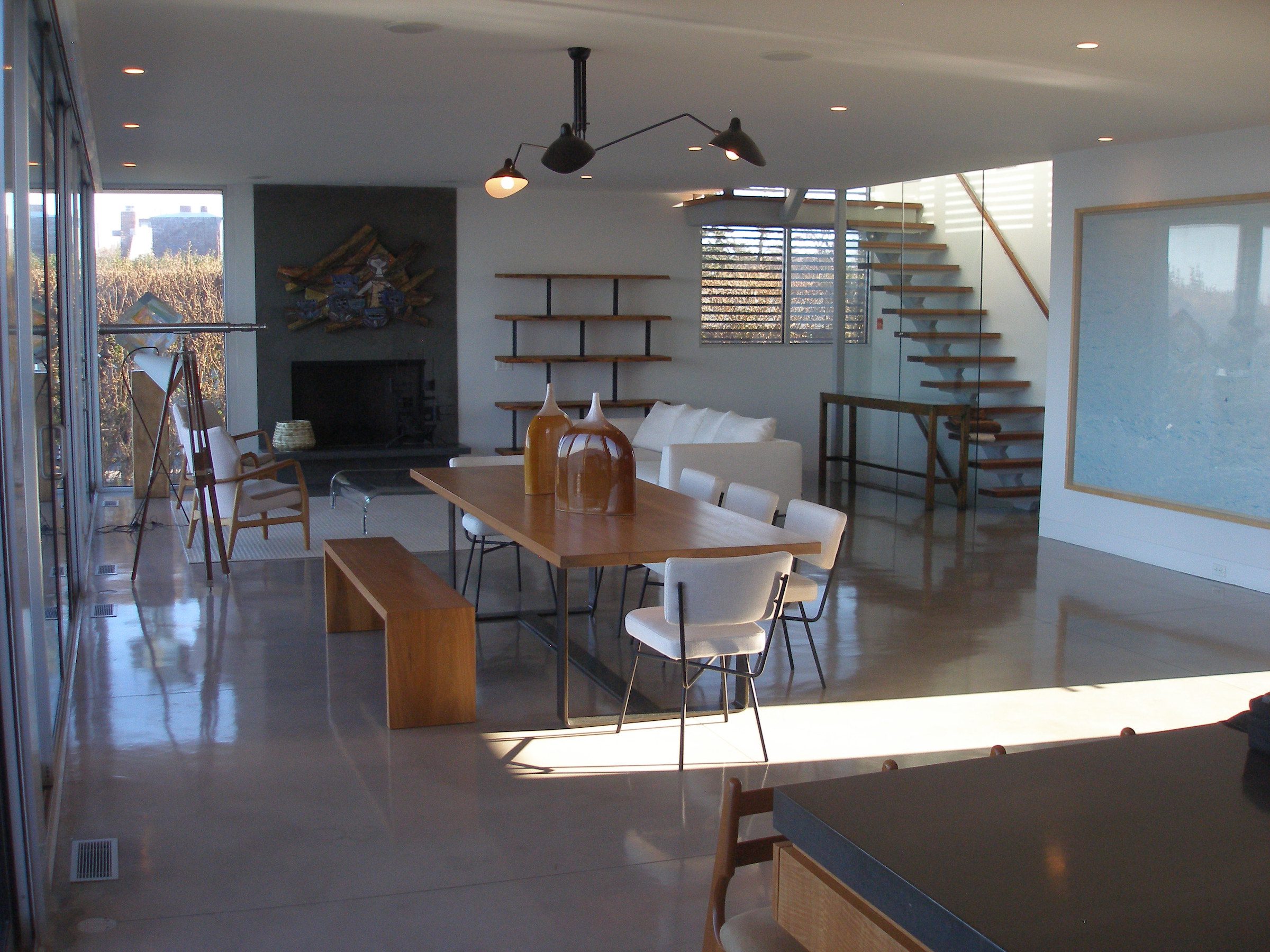
Modern homes blend style, comfort, and function. Homeowners want finishes that look elegant yet stay easy to maintain every day. Polished Concrete Floors deliver this balance better than almost any other flooring option. With their reflective finish, long lifespan, and nearly effortless care, polished concrete has become a top choice in contemporary residential design.
Old Stone Restoration & Installation Corp works with homeowners across the region to transform dull or aging concrete surfaces into beautiful, high-performance polished floors. Their craftsmanship, attention to detail, and advanced grinding techniques help create floors that brighten spaces and withstand years of use.
What Makes Polished Concrete Floors Stand Out?
Polished concrete is created through a multi-step mechanical process. Contractors grind the surface, densify it, and polish it to the desired sheen. This reveals a smooth, durable, and visually striking floor without adding additional layers or coatings.
Homeowners choose polished concrete because it offers:
- Sleek, modern aesthetics
- Easy, low-maintenance care
- Exceptional durability
- Improved light reflection
- Allergy-friendly surfaces
- Long-term cost savings
Unlike wood, tile, or vinyl, polished concrete uses your existing slab. This makes it an eco-friendly upgrade that supports a sustainable home design.
Why Homeowners Love the Modern Look
Polished concrete gives homes a clean, open, and sophisticated feel. It pairs well with minimalist interiors, industrial design styles, open-concept living, and natural lighting. From kitchen floors to living rooms and basements, this finish helps create a cohesive, high-end look throughout the home.
Old Stone Restoration offers customization options such as:
- Matte, satin, or high-gloss finishes
- Visible or minimal aggregate
- Custom scoring patterns
- Color staining options
- Seamless transitions
These variations help create a unique look that matches the personality of each home.
Low-Maintenance Living for Busy Homeowners
One of the biggest advantages of polished concrete is the low maintenance required. Regular sweeping and occasional mopping keep it looking fresh. There is no waxing, sealing every few months, or deep cleaning required.
This simplicity makes polished concrete ideal for families, pet owners, and homeowners who want a stylish floor without added upkeep.
Durability That Lasts for Decades
Concrete already has a strong foundation. When polished, it becomes even more resistant to wear, moisture, and stains. This makes polished concrete a perfect match for high-traffic areas like:
- Kitchens
- Entryways
- Living rooms
- Garages
- Basements
Its ability to resist scratching and impacts also makes it a smart choice for families with pets or kids.
Because of this durability, many homeowners search for bold, high-value terms such as “Polished Concrete Contractors”, “Concrete Grinding Contractors”, and “Concrete Repair Contractors” when looking for long-lasting flooring solutions.
Comparing Polished Concrete to Other Flooring Options
Polished Concrete vs Hardwood
Hardwood scratches, dents, and absorbs moisture. Polished concrete stays smooth and strong and requires less upkeep.
Polished Concrete vs Tile
Tile grout lines collect dirt and discolor. Polished concrete offers a seamless, joint-free surface.
Polished Concrete vs Laminate or Vinyl
Laminate and vinyl require replacement over time. Polished concrete can last the lifetime of the home.
Polished Concrete vs Epoxy
Epoxy floors offer bold colors but may need re-coating every few years. Polished concrete offers a natural stone-like appearance with a longer lifespan.
Old Stone Restoration specializes in both polished concrete and overlay applications, helping homeowners choose the right surface for their design and budget.
The Role of Concrete Overlays and Specialty Services
Not every concrete slab is ready for polishing. Some floors need leveling, repairs, or decorative enhancement. Old Stone Restoration provides advanced services such as:
Self-Leveling Concrete Overlays
These overlays smooth uneven floors and prepare surfaces for polishing or decorative finishes. They help create a flawless canvas for a new polished look.
Polished Concrete Overlays
When the existing concrete is too damaged, polished overlays offer a fresh surface that still delivers the high-gloss, seamless aesthetic homeowners want.
Decorative Concrete Floor Contractors
For homeowners who want a designer look, decorative overlays add color, pattern, or texture to polished concrete floors.
Stamped concrete provides the look of stone, wood, or tile with the durability of concrete. It works well for patios, entryways, and interior accent spaces.
Concrete Repair Services
Before polishing, contractors repair cracks, chips, and surface issues. Skilled Concrete Repair Contractors restore structural integrity and ensure a long-lasting polished finish.
By combining polishing with overlays, leveling, or repair, Old Stone Restoration ensures that every floor receives the attention it needs for optimal results.
Where Polished Concrete Works Best in Homes
Polished concrete adapts well to almost any room, including:
- Kitchens
- Living rooms
- Bedrooms
- Basements
- Home gyms
- Offices
- Laundry rooms
- Garages
Its reflective surface brightens spaces, making rooms appear larger and more open—an ideal feature for modern home layouts.
How Old Stone Restoration Delivers High-Quality Polished Concrete
Old Stone Restoration uses industry-leading equipment, dust-controlled grinding systems, and premium densifiers to achieve long-lasting polished finishes. Their experience with bold keywords like “Polished Concrete Floors” and “Polished Concrete Contractors” makes them a trusted choice for homeowners seeking quality work.
They evaluate your existing concrete, recommend the correct polishing level, and offer customizable finishes. Their team also provides overlay solutions when the slab needs full resurfacing.
The result is a smooth, durable, and visually impressive floor that enhances the entire home.
Maintenance Tips to Keep Your Floor Looking New
- Sweep dust regularly
- Mop using a pH-neutral cleaner
- Protect floors from sharp furniture legs
- Avoid harsh chemicals
- Keep outdoor debris at the door
These steps help maintain shine and protect the floor for years.
Conclusion
Polished concrete floors offer a sleek, modern, and low-maintenance option for homeowners who want style without the burden of constant upkeep. Their durability, design flexibility, and eco-friendly benefits make them one of the best choices for contemporary homes.
With the help of experts like Old Stone Restoration, polished concrete becomes more than flooring—it becomes a design centerpiece that enhances the beauty and function of modern living spaces.