Diversified Services. Uncompromising Quality
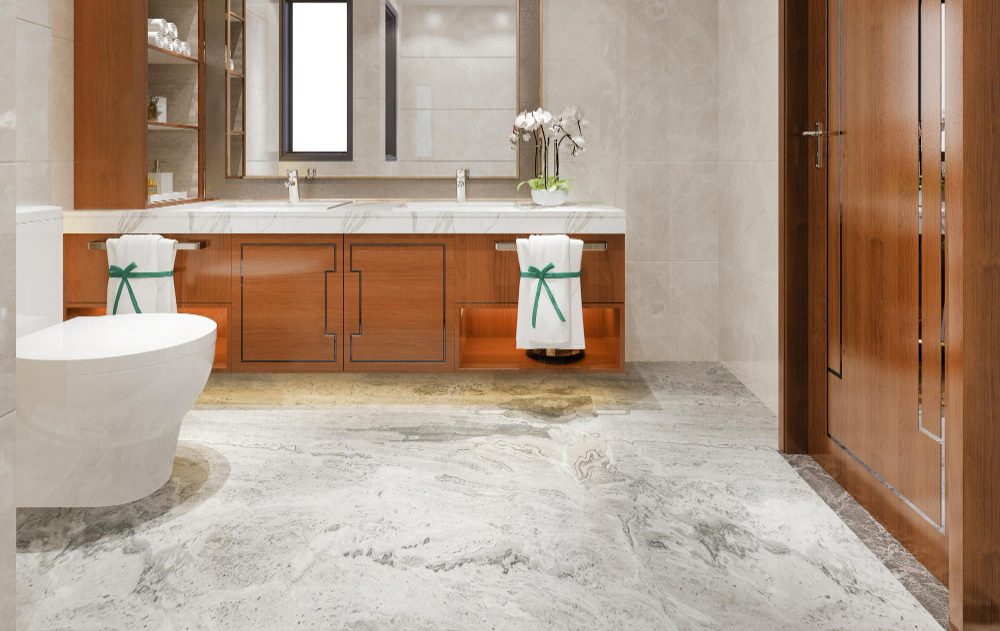
Bathroom floors deal with more water, foot traffic, and wear than almost any other space in the home. Choosing the wrong stone can lead to slippery surfaces, stains, and constant maintenance. This guide breaks down the best options for stone flooring for bathrooms in 2026, realistic cost ranges, and what to know about maintenance. We’ll also discuss bathroom stone floor pros and cons. For homeowners, this is a helpful checklist for choosing the best stone for bathroom floor in Long Island, NY.

Why Choosing the Best Stone for Bathroom Floors Matters

Here’s why stone choice for bathroom matters:
  • Water exposure: Splashing and humidity happen every day. Some stones absorb more water and stain easier.
  • Slipping risk: Smooth stones can become slippery when wet, especially in socks.
  • Maintenance: Some stones need regular sealing and careful cleaning.
  • Long-term durability: The best stone flooring for bathrooms should resist chips, stains, and wear over time.
If the bathroom is used by kids, guests, or older adults, slip resistant stone bathroom floor options become even more important. 

What Makes a Stone Suitable for Bathroom Floors?

Not every natural stone works well in a wet room. When evaluating natural stone for bathroom floor use, focus on these points:

Water resistance

Some stones absorb water more easily than others. Lower-porosity materials generally handle bathroom conditions better.

Slip resistance

A stone that looks beautiful can still be unsafe if it’s too smooth when wet. Honed, textured, tumbled, or brushed finishes usually provide better traction than polished finishes.

Porosity

Porous stones can absorb water, soap, and oils. That can lead to dark spots, stains, or etching depending on the material.

Maintenance level

Some stones just need a wipe. Others require sealing, pH-neutral cleaners, and quick cleanup after spills.

Sealing requirements

Many stones need a protective sealer. A good sealer helps reduce water absorption and staining, but it does not make stone waterproof.

10 Best Stones for Bathroom Floors in 2026

Each option below includes a simple traction guideline and upkeep level so it’s easier to choose waterproof stone flooring bathroom style surfaces (or the closest practical option).

1. Porcelain Stone Tile

Porcelain is not a natural stone, but it’s one of the best “stone-look” options for bathrooms.Pros
  • Very low absorption, excellent for wet spaces
  • Easy to clean
  • Many stone looks (marble, slate, terrazzo)
Cons
  • Grout still needs cleaning
  • Can feel cold without radiant heat
Best use cases
  • Busy family bathrooms, rentals, and remodels with low upkeep goals
Maintenance level: Low Slip resistance rating: Good when choosing matte or textured finishes Typical cost (material): $3–$12/sq ft

2. Honed Marble

Honed marble has a soft, matte finish that is often less slippery than polished marble.Pros
  • High-end, classic look
  • Honed finish hides small scratches better than polished
  • Works well in timeless bathroom designs
Cons
  • Can etch from acidic products
  • Requires sealing and gentle cleaning
  • Not ideal for people who want “zero maintenance”
Best use cases
  • Primary bathrooms where appearance matters and cleaning habits are consistent
Maintenance level: Medium to High Slip resistance rating: Medium (better than polished) Typical cost (material): $8–$25/sq ft

3. Slate Stone

Slate is a strong choice for bathrooms because it naturally has texture.Pros
  • Naturally slip resistant
  • Handles wet conditions well when sealed
  • Great for modern and rustic styles
Cons
  • Color variation can be strong
  • Some slate can flake if low quality
  • Sealing recommended
Best use cases
  • Shower floors, wet areas, family bathrooms
Maintenance level: Medium Slip resistance rating: High Typical cost (material): $5–$15/sq ft

4. Travertine (Filled & Honed)

Travertine is a type of limestone with natural holes. “Filled and honed” is the bathroom-friendly version.Pros
  • Warm, natural look
  • Comfortable underfoot
  • Good traction when honed
Cons
  • Needs sealing
  • Can stain if left unsealed
  • Softer than granite and quartzite
Best use cases
  • Spa-style bathrooms, larger floors with a warm tone
Maintenance level: Medium Slip resistance rating: Medium to High (honed) Typical cost (material): $6–$18/sq ft

5. Limestone

Limestone gives a clean, soft look that works in many bathroom styles.Pros
  • Natural, calming appearance
  • Softer look than granite
  • Often available in light tones
Cons
  • More porous than many stones
  • Needs sealing and careful cleaning
  • Can scratch easier than harder stones
Best use cases
  • Guest baths with lighter use, powder rooms with stone continuity
Maintenance level: Medium to High Slip resistance rating: Medium (choose honed or textured) Typical cost (material): $6–$30/sq ft

6. Granite

Granite is one of the best options for durability and low fuss when sealed correctly.Pros
  • Hard and scratch resistant
  • Resists staining better than many stones
  • Good long-term durability
Cons
  • Some patterns can look busy
  • Polished granite may be slippery when wet
Best use cases
  • High-traffic bathrooms, long-term homes
Maintenance level: Low to Medium Slip resistance rating: Medium (better in honed/leathered) Typical cost (material): $6–$18/sq ft

7. Quartzite

Quartzite is a natural stone known for strength and a clean, upscale look.Pros
  • Very durable
  • Often resists scratching well
  • Great for luxury bathrooms
Cons
  • Can be expensive
  • Needs sealing
  • Some slabs are mislabeled, so source matters
Best use cases
  • Primary bathrooms where durability and look both matter
Maintenance level: Medium Slip resistance rating: Medium (choose honed or textured) Typical cost (material): $8–$25/sq ft

8. Terrazzo

Terrazzo is a classic material that has become popular again in modern designs.Pros
  • Long lifespan
  • Unique, customizable appearance
  • Works well with radiant heat
Cons
  • Needs sealing
  • Can be slippery if highly polished
  • Repairs should be done properly to avoid patchy spots
Best use cases
  • Modern bathrooms, design-forward remodels
Maintenance level: Medium Slip resistance rating: Medium (better in matte finish) Typical cost (material): $10–$25/sq ft

9. Pebble Stone Flooring

Pebble floors are common in showers and spa-style bathrooms.Pros
  • Strong grip underfoot
  • Great drainage in shower floors
  • Natural spa look
Cons
  • More grout lines, so cleaning takes longer
  • Uneven surface may feel uncomfortable to some
  • Needs sealing
Best use cases
  • Shower floors, wet zones, accent areas
Maintenance level: Medium to High Slip resistance rating: High Typical cost (material): $7–$20/sq ft

10. Engineered Stone Tiles

Engineered stone tiles use stone particles and binders to create a consistent look.Pros
  • More uniform appearance
  • Can be easier to maintain than porous natural stone
  • Often budget-friendly compared to premium natural slabs
Cons
  • Quality varies by manufacturer
  • Not all products are suitable for wet floors
  • Always confirm installation requirements
Best use cases
  • Bathrooms where a consistent stone look is the priority
Maintenance level: Low to Medium Slip resistance rating: Medium (choose textured finish) Typical cost (material): $5–$18/sq ft
ALSO READ:

Best Stone for Small vs Large Bathrooms

Small bathroom recommendations
  • Porcelain stone tile (easy upkeep, makes spaces feel clean)
  • Honed marble (luxury look, especially in smaller areas)
  • Terrazzo (adds style without busy veining)
Large bathroom recommendations
  • Slate (traction and durability across more surface area)
  • Travertine (warm tone, spa feel)
  • Granite or quartzite (strong long-term performance)

Best Low-Maintenance Stone for Bathroom Floors

For most homes, the easiest options are:
  • Porcelain stone tile (lowest maintenance)
  • Granite (durable with simple sealing)
  • Engineered stone tile (when rated for wet floors)
These are often the best choices when searching for low maintenance stone for bathroom floor solutions.

Stones to Avoid for Bathroom Floors

Some materials can work, but they often lead to frustration if the goal is easy upkeep.
  • Highly polished marble: looks beautiful but can etch and become slippery
  • Soft untreated limestone: stains and scratches easily
  • Unsealed stone of any kind: absorbs water and stains quickly

Stone Bathroom Floor Maintenance Tips

Good maintenance keeps the stone floor for bathrooms looking clean and prevents damage.Sealing frequency
  • Many stones need periodic sealing. Frequency depends on the stone type, finish, and daily use.
Cleaning dos
  • Use a pH-neutral cleaner
  • Wipe standing water near tubs and showers
  • Clean grout lines consistently
Cleaning don’ts
  • Avoid harsh acids and abrasive cleaners on natural stone
  • Avoid bleach-heavy routines unless confirmed safe for your material
Professional restoration benefits If stone floors look dull, stained, or etched, restoration can often bring them back without replacing the floor. For homeowners, professional stone restoration can be a cost-effective way to refresh marble, granite, terrazzo, and more. If you need expert stone restoration services in Long Island, NY, Old Stone Restoration & Installation Corp can help.  

Final Thoughts: Which Stone Is Best for Your Bathroom in 2026?

The best stone for bathroom floor use depends on priorities. For most homes, porcelain stone tile is the easiest. For natural stone lovers, slate, granite, and honed travertine offer a strong balance of looks and durability. Marble and limestone can still work, but they need more careful maintenance.If the goal is safety, choose a textured or honed finish and prioritize slip resistance. If the goal is low upkeep, focus on low-porosity materials and simple cleaning routines.

FAQs

What is the best stone flooring for bathroom floors in 2026?

Porcelain stone tile is a top choice for most bathrooms because it resists water and is easy to maintain. For natural stone, slate and granite are strong options when sealed properly.

Is natural stone waterproof for bathrooms?

Most natural stones are not fully waterproof. Sealing helps reduce absorption and staining, but good ventilation and regular cleaning still matter.

What is the most slip resistant stone bathroom floor option?

Slate and pebble stone flooring are often chosen for traction. Matte or textured porcelain can also be very slip resistant. 

How often should stone bathroom floors be sealed?

It depends on the stone and usage. High-traffic bathrooms may need sealing more often than guest baths.

What is the easiest stone bathroom floor to maintain?

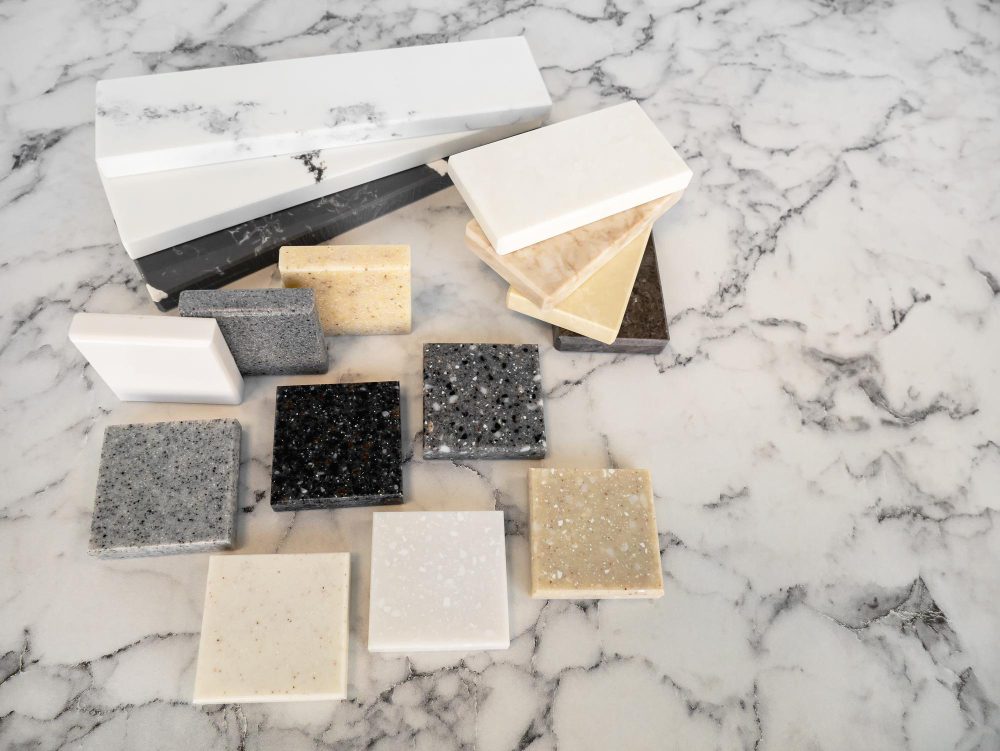
Porcelain stone tile is typically the lowest-maintenance option because it is highly water resistant and does not require the same sealing routine as many natural stones. In a busy kitchen, the countertop gets hit with everything. Hot pans, sharp tools, spills, and constant wiping are part of daily life. That is why the best stone for kitchen countertops is not always the ones that look the fanciest. The best choice is the stone that fits cooking habits and the time available for upkeep. If you’re thinking “what stone is best for kitchen countertops,” this list breaks down 11 best countertop stones. 

The Best Stone Countertops for Kitchen: A Quick Comparison

 
StoneDurabilityStain RiskEtch RiskHeatMaintenanceBest for
GraniteHighLow–MedLowHighSeal sometimesBusy kitchens, all-around use
Quartzite (natural)HighLow–MedLow–MedHighSeal sometimes“Marble look” with toughness
MarbleMedMed–HighHighMedMore careClassic look, baking zones
SoapstoneMed–HighLowLowHighOptional oilingHeat-friendly, soft matte look
DolomiteMedMedMed–HighMedSeal + gentle careMarble-like style with slightly more strength
LimestoneLow–MedHighHighLow–MedHigh upkeepLow-use kitchens, soft warm tones
TravertineLow–MedHighHighLow–MedHigh upkeepRustic look, light-use areas
SlateMedLow–MedLowHighSeal sometimesDark tones, practical homes
OnyxLowMed–HighHighLow–MedHigh upkeepStatement bars, feature tops
SandstoneLow–MedHighMedMedSeal oftenTexture lovers, careful households
Quartz (engineered)HighLowLowMedLow upkeepBusy homes that want easy cleaning

1. Granite

Best for: Granite is one of the best choices for busy homes because it is tough, handles daily wear well, and resists heat. Many homeowners choose granite because it works well for cooking, meal prep, and everyday life.Considerations: Granite is still a natural stone, so some slabs are more porous than others and can stain if sealing is ignored.Maintenance tips: Clean with mild soap and water or a stone-safe cleaner. Test the seal once or twice a year with a small water drop. If water darkens the stone instead of beading, it is time to reseal. 

2. Quartzite (Natural)

Best for: Natural quartzite is popular because it can look like marble but performs more like a hard, durable stone. It is often a strong option for kitchens that cook a lot and want a lighter, brighter look.Considerations: Not every slab sold as “quartzite” behaves the same. Some slabs can contain minerals that react to acids and may etch, so slab selection matters.Maintenance tips: Plan on sealing. Many guides suggest resealing on a schedule like every 1–3 years, depending on use and the sealer. Use mild soap and wipe spills sooner rather than later. 

3. Marble

Best for: Marble is a favorite for a classic, high-end look. Many bakers like marble because it stays cool and looks beautiful around baking stations.Considerations: Marble etches easily from acids like lemon juice, vinegar, and many common cleaners. Etching is a finish change, not a “dirt stain,” so it does not scrub away like a spill.Maintenance tips: Use a pH-neutral stone cleaner and wipe acidic spills fast. If etches build up, honing and polishing are common restoration options that can bring back a smoother finish. 

4. Soapstone

Best for: Soapstone is known for strong heat tolerance and a smooth, soft feel. It does not need sealing in the same way many other stones do, and it can be a good fit for busy homes that like a matte, cozy look.Considerations: Soapstone can scratch or dent more easily than granite, but it also hides wear well over time with a natural “lived-in” look.Maintenance tips: Clean with mild soap and water. Some owners apply mineral oil to deepen color and even out the look, but oiling is optional and depends on the style preferred. 

5. Dolomite

Best for: Dolomite is often chosen by homeowners who want a marble-like look with a bit more strength for daily use. It can be a nice middle ground for style-focused kitchens.Considerations: Dolomite can still etch and can still stain if spills sit too long. It is not “marble-proof,” so expectations should be realistic.Maintenance tips: Use gentle cleaners and reseal as needed. Avoid acidic cleaners and wipe up citrus, wine, and sauces quickly. 

6. Limestone

Best for: Limestone has a warm, soft, natural look that works well in calm, low-use kitchens. It can make a space feel relaxed and timeless.Considerations: Limestone is usually more porous and more likely to etch and stain, especially in busy kitchens with frequent cooking.Maintenance tips: Sealing helps, but it does not make limestone “worry-free.” Use coasters, wipe spills fast, and avoid acidic cleaners. 

7. Travertine

Best for: Travertine gives a rustic, old-world look. It can be a great design choice for homes that want texture and natural variation.Considerations: Travertine often has natural pits and voids, and it can stain easily. For busy kitchens, it needs careful habits.Maintenance tips: Sealing is important, and quick wipe-ups matter. Many homeowners use travertine more successfully in lower-traffic kitchens or as a secondary surface. 

8. Slate

Best for: Slate can be a practical choice with a darker, earthy look. It often hides crumbs and smudges better than bright stones.Considerations: Some slate has a cleft, textured surface that can be harder to keep perfectly clean.Maintenance tips: Use mild soap and water. Sealing can help with stain resistance and easier cleanup, depending on the slate finish and how the kitchen is used. 

9. Onyx

Best for: Onyx is dramatic and can be backlit for a showpiece look. It is often used for bars, islands, and feature areas.Considerations: Onyx is softer and more likely to scratch and etch. It is usually not the best pick for a high-traffic family kitchen work zone.Maintenance tips: Treat onyx like a “special surface.” Use coasters, avoid acids, and clean gently. 

10. Sandstone

Best for: Sandstone can offer a natural, textured look that stands out. Some homeowners love it for its earthy feel.Considerations: Sandstone is porous and can absorb liquids, which increases stain risk. Some sources note costs can run high depending on the slab and rarity.Maintenance tips: Sealing is a must for most sandstone counters. Wipe spills quickly and avoid harsh cleaners. 

11. Quartz (Engineered Stone)

Best for: Engineered quartz is one of the easiest choices for busy homes because it is non-porous, resists stains well, and is simple to clean. It is often listed among the best stone countertops for kitchens, even though it is engineered, not a natural slab.Considerations: Quartz can be damaged by high heat because of the resins used in the material. Hot pans should not go directly on the surface.Maintenance tips: Use mild soap and water or a gentle cleaner. Use trivets for hot cookware and avoid harsh chemicals and abrasive pads.

ALSO READ: Non Slip Bathroom Floor Tiles: What to Buy in 2026

Restore and Protect Your Stone Countertops

Choosing the right stone is important, but proper care is what keeps it looking its best. If a countertop has stains, dull spots, etching, or scratches, professional restoration can improve the finish and help prevent future damage. Old Stone Restoration & Installation Corp provides cleaning, sealing, refinishing and stone restoration services in Long Island & nearby areas that make natural stone countertops look better and stay easier to maintain in busy homes. Call us at (631) 821-5619 to get started. 

FAQs

What is the best stone for kitchen countertops?

The best stone for kitchen countertops depends on how the kitchen is used and how much maintenance is acceptable. For busy homes, granite, natural quartzite, and engineered quartz are popular because they handle daily wear well and clean easily. Softer stones like marble can still work, but they require more care and realistic expectations. 

What is the most durable stone for kitchen countertops?

For many busy homes, granite and natural quartzite are top picks because they handle daily wear well and are very heat-resistant. Quartz is also very durable in daily use, but it needs heat protection because of its resin content. 

Which stone is the lowest maintenance?

Engineered quartz is usually the lowest maintenance because it is non-porous and does not require routine sealing like many natural stones. 

Do granite and quartzite need to be sealed?

Often, yes. Many stone care guides recommend sealing on a schedule based on use, with a common range like every 1–3 years, and using a simple water test to see if sealing is needed. 

How do etch marks get removed from marble countertops?

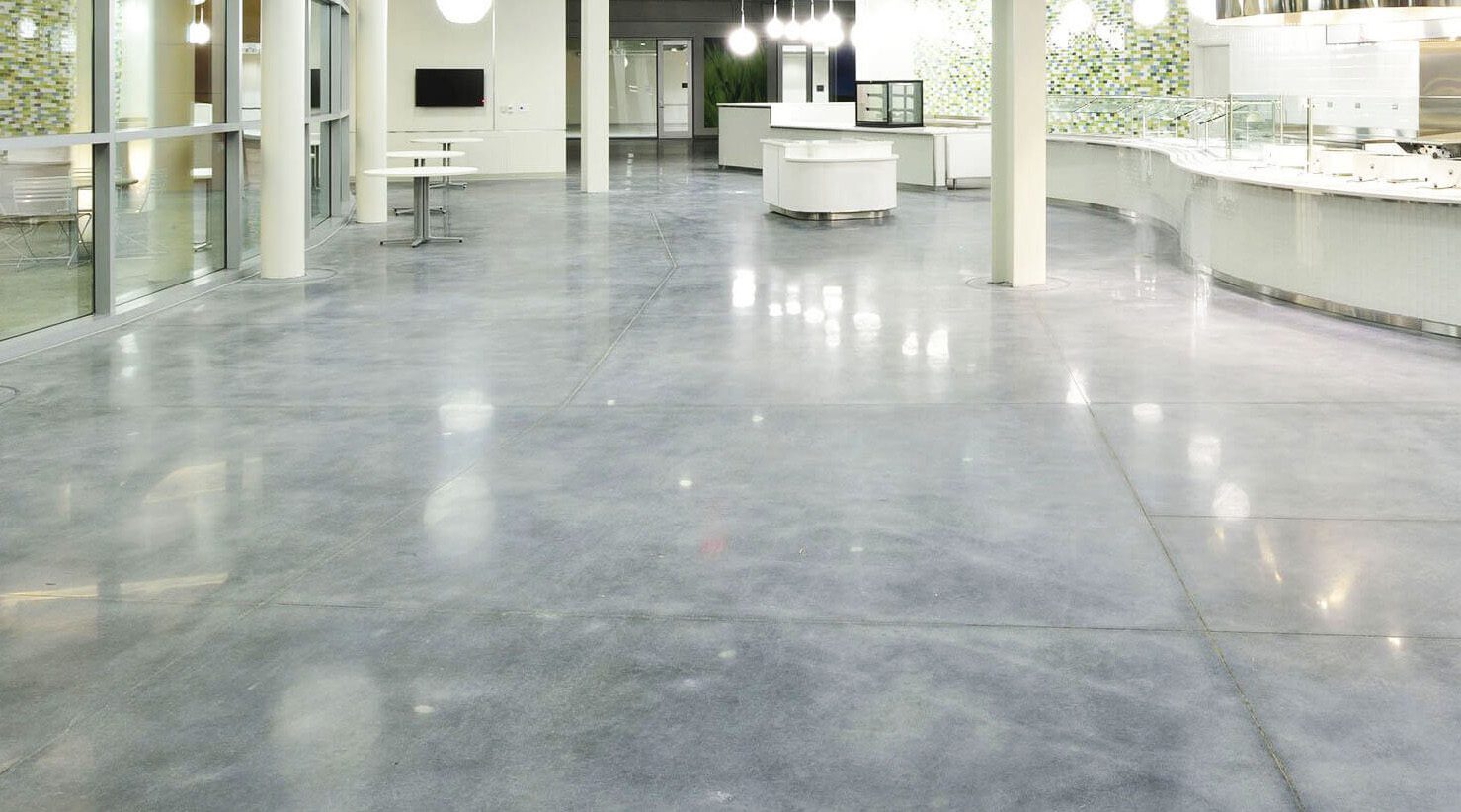
Etching happens when acids react with the surface, leaving a dull spot. Marble can often be restored with honing and polishing, which refines the surface finish and reduces the look of etches. Your stone floors have lost their shine despite regular cleaning. The once glossy surface now looks hazy, dull, and lifeless, making your entire space appear neglected. This happens because most homeowners unknowingly use the wrong cleaners, allow grit to accumulate, apply too much water during mopping, or layer topical products that create buildup. The solution involves understanding proper stone care techniques and using a neutral cleaner for natural stone to maintain that pristine appearance your floors deserve.

Why Do Stone Floors Turn Dull (Even When They’re “Clean”)?

Stone floors lose their luster for specific reasons that regular cleaning often worsens rather than improves. Understanding these causes helps you avoid common mistakes when you clean stone floors.

Micro-Scratches from Grit and Sand

Dirt particles act like sandpaper on stone surfaces. Every footstep grinds these abrasive particles against your floor, creating microscopic scratches that accumulate over time. These tiny scratches scatter light instead of reflecting it uniformly, resulting in a dull appearance even on recently cleaned surfaces.

Acid Etching on Sensitive Stones

Marble, limestone, and travertine react chemically with acidic substances. Common household cleaners, citrus spills, and even some tap water can cause etching. This chemical reaction removes the polished layer of stone, leaving behind dull spots that cleaning cannot fix. The damage appears as light-colored marks or rings that feel rougher than the surrounding areas.

Cleaner Residue and Product Overuse

Using too much cleaning product creates a film that attracts dirt and dulls stone surfaces. Soap buildup occurs gradually, layer by layer, until your floors develop a cloudy appearance. Many all-purpose cleaners contain additives that leave residue, making floors look worse after cleaning than before.

Hard Water Minerals and Haze

Mineral deposits from hard water create a chalky film on stone surfaces. This haze becomes more noticeable on dark stones like granite or black marble. The minerals bond to the stone surface, requiring specific removal techniques beyond standard cleaning.

Distinguishing Between Worn Sealer and Damaged Stone

Worn sealer appears as an inconsistent sheen across your floor, with some areas looking duller than others. Damaged stone shows physical changes like etching, scratches, or pitting. This distinction matters because resealing fixes the former, while the latter requires professional restoration.

ALSO READ: Non Slip Bathroom Floor Tiles: What to Buy in 2026

Step-by-Step: Best Way to Clean Stone Floors

Following the correct sequence when learning how to clean stone floors prevents damage while maintaining maximum shine.

1) Dry Dust-Mop First (The Step Most People Skip)

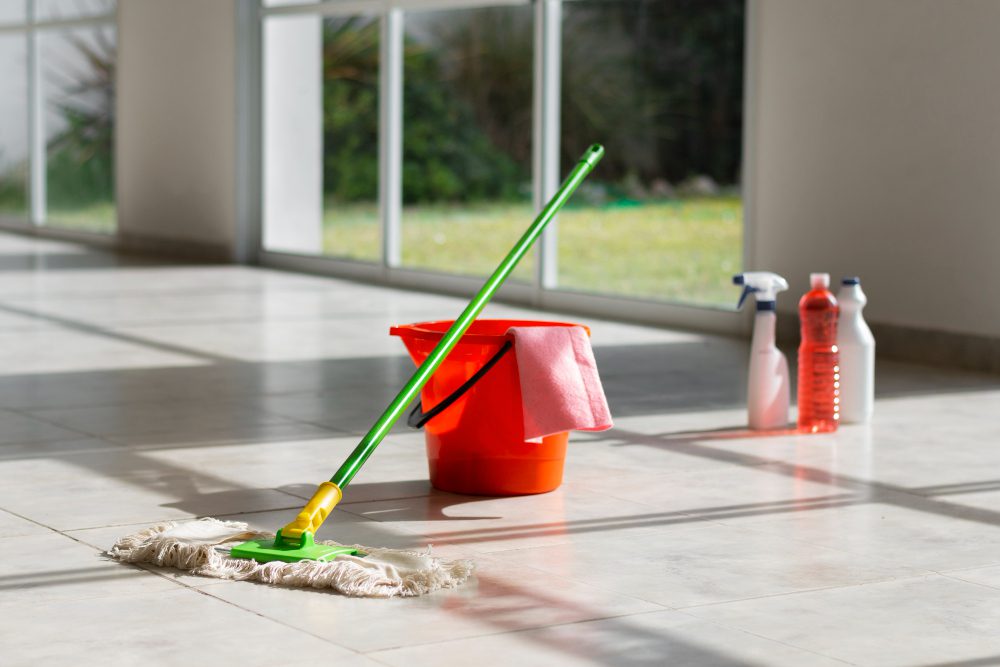
Start with a microfiber dust mop to remove loose dirt and debris. This crucial step prevents scratching during wet mopping. In high-traffic areas, dust mopping should occur daily. Microfiber attracts and holds particles better than traditional mops, preventing them from redistributing across your floor.

2) Use a pH-Neutral Stone Cleaner (Not All-Purpose)

pH neutral cleaner for natural stone maintains a 7 on the pH scale, neither acidic nor alkaline. This balance preserves your stone’s integrity without causing chemical reactions. Mix the cleaner according to the manufacturer’s directions, as over-concentration leaves residue while under-dilution reduces effectiveness. The right dilution ratio typically ranges from 1:16 to 1:32 for regular maintenance cleaning.

3) Damp Mop, Not Wet Mop

Excessive water penetrates stone pores and grout lines, potentially causing damage and discoloration. Use the two-bucket method: one for cleaning solution, another for rinse water. Wring your mop until barely damp. Change both buckets frequently to avoid spreading dirty water across clean areas. Work in sections, overlapping slightly to ensure complete coverage without oversaturating any area.

4) Rinse if Needed and Dry/Buff

Some pH-neutral cleaners require rinsing, while others don’t. Check product instructions carefully. After mopping, use a clean, dry microfiber cloth to buff the surface. This final step removes any remaining moisture and prevents water spots or streaking, revealing your stone’s natural shine.

Products and Tools That Are Safe (and What to Avoid)

Safe Tools for Stone Floor Care

Microfiber mops provide gentle, effective cleaning without scratching. Soft-bristle brushes work for textured surfaces like slate. Vacuums with hard floor settings prevent scatter while removing debris. Chamois or terry cloth towels excel at drying and buffing.

Safe Cleaners for Natural Stone

Quality pH-neutral stone cleaners contain no acids, ammonia, or harsh detergents. Look for products specifically formulated for natural stone that won’t strip sealers or etch surfaces. Concentrated formulas offer better value and reduce plastic waste. Always verify the product specifies safety for your stone type.

Products to Avoid

Never use vinegar on stone floors, despite its popularity as a natural cleaner. Bleach, ammonia, and degreasers cause permanent damage to many stone types. Powdered abrasive cleaners scratch polished surfaces. Oil soaps leave residue that attracts dirt. Acrylic “shine” products create temporary gloss but yellow over time and prevent proper stone breathing.

Stone-Specific Cleaning Notes (Quick Guide)

Marble / Limestone / Travertine

These calcium carbonate stones require extra care due to acid sensitivity. Even mild acids cause immediate etching. Use only cleaners specifically labeled safe for marble. Blot spills immediately, especially wine, coffee, or citrus. Consider professional sealing every 12 to 24 months.

Granite

Granite resists etching better than marble but still requires proper care. Avoid alkaline cleaners that cause hazing. Though durable, granite can absorb oils and liquids through micro-fissures. Clean spills promptly and maintain sealer integrity for best results.

Slate

The cleft texture of slate traps dirt in crevices. Use a soft brush with your pH-neutral cleaner to reach recessed areas. Avoid wax-based products that build up in texture variations. Some slates benefit from color-enhancing sealers that deepen natural hues.

Terrazzo

Terrazzo combines marble chips with cement or resin binders. Use neutral cleaners exclusively, as harsh alkalines damage the binder. Avoid acids that etch marble components. Regular diamond polishing maintains terrazzo’s signature shine better than topical products.

Can You Use a Steam Mop on Stone Floors?

Steam mopping poses risks to natural stone installations. High temperatures combined with moisture can compromise sealers, loosen tiles, and damage grout. Weak or cracked grout allows steam penetration beneath tiles, potentially causing lifting or discoloration. Temperature shock from steam can stress certain stones, particularly in older installations.Safer alternatives include spray mopping with a proper stone cleaner or using a barely damp microfiber mop. These methods clean effectively without heat-related risks.

How to Fix Dull Spots (Cleaning Won’t Fix These)

Removing Residue Buildup

If dullness results from product buildup, use a stone-safe stripper following the manufacturer’s instructions. Apply stripper, allow dwell time, then agitate gently with a soft brush. Remove completely with clean water and dry thoroughly. This process may require multiple applications for heavy buildup.

Addressing Etching and Scratches

Etching and scratches require mechanical polishing or honing. Diamond polishing pads in progressively finer grits restore shine to small areas. Larger areas need professional equipment and expertise. Attempting DIY restoration on valuable stone often worsens damage.

When Professional Help Makes Sense

Call professionals when dealing with widespread etching, deep scratches, or valuable installations. Professional restoration costs less than replacement and achieves results impossible with consumer-grade tools. Old Stone Restoration & Installation Corp. specializes in bringing dull, damaged stone back to life with Stone Restoration Service.

Maintenance Routine to Keep Stone Shiny Longer

  • Daily: Dust mop high-traffic areas. Clean spills immediately with pH-neutral cleaner.
  • Weekly: Damp mop the entire floor with proper stone cleaner. Check and clean doormats.
  • Monthly: Deep clean with the two-bucket method. Inspect for damage or wear patterns. Clean under furniture and along baseboards.
  • Annually: Professional inspection and resealing if needed. Address minor repairs before they worsen.
Place quality entrance mats inside and outside doors to reduce tracked debris. Install felt pads under furniture legs to prevent scratching. Schedule periodic professional maintenance to address issues beyond the routine cleaning scope.

Restore Your Stone’s Natural Beauty

Maintaining brilliant stone floors requires proper techniques and products designed specifically for natural stone care. When cleaning challenges exceed routine maintenance or when your floors need professional restoration, Old Stone Restoration & Installation Corp. provides expert services throughout the area. Our certified technicians restore stone to its original beauty using advanced equipment and proven techniques. Contact us today at (631) 821-5619 for a consultation and discover how professional stone care transforms your floors from dull to dazzling.

FAQ

What is the best mop for stone floors?

Microfiber mops work best for stone floors. They trap dirt effectively, rinse clean easily, and won’t scratch polished surfaces when used properly.

How often should stone floors be sealed?

Most stone floors need resealing every 12 to 36 months, depending on traffic and stone type. Perform a water drop test annually to check the sealer condition.

Why does the floor look cloudy after mopping?

Cloudiness indicates cleaner residue, hard water deposits, or using too much product. Switch to pH-neutral stone cleaner and ensure proper dilution and rinsing.

Can Dawn dish soap be used on stone?

While Dawn won’t etch stone as acids do, it leaves a residue that dulls surfaces over time. Use cleaners specifically formulated for natural stone instead.

Can vinegar be used on stone floors?

Never use vinegar on natural stone. Its acidity causes permanent etching on marble, limestone, and travertine.

How should marble floors be mopped?

Mop marble with a pH-neutral cleaner diluted appropriately, using a damp (not wet) microfiber mop. Dry immediately to prevent water spots.

Why do stone floors look dull?

Dullness results from microscratches, cleaner residue, acid etching, worn sealers, or improper cleaning methods, all of which damage the surface finish. When your marble floors lose their shine or your granite countertops start showing scratches, it’s natural to wonder whether stone restoration or a full stone replacement is the better choice. Natural stone is an investment, and you want to make the smartest decision for both your space and budget. At Old Stone Restoration & Installation, we help you understand the true difference so they can choose the option that delivers the best long-term results.

Understanding the Difference Between Restoration and Replacement

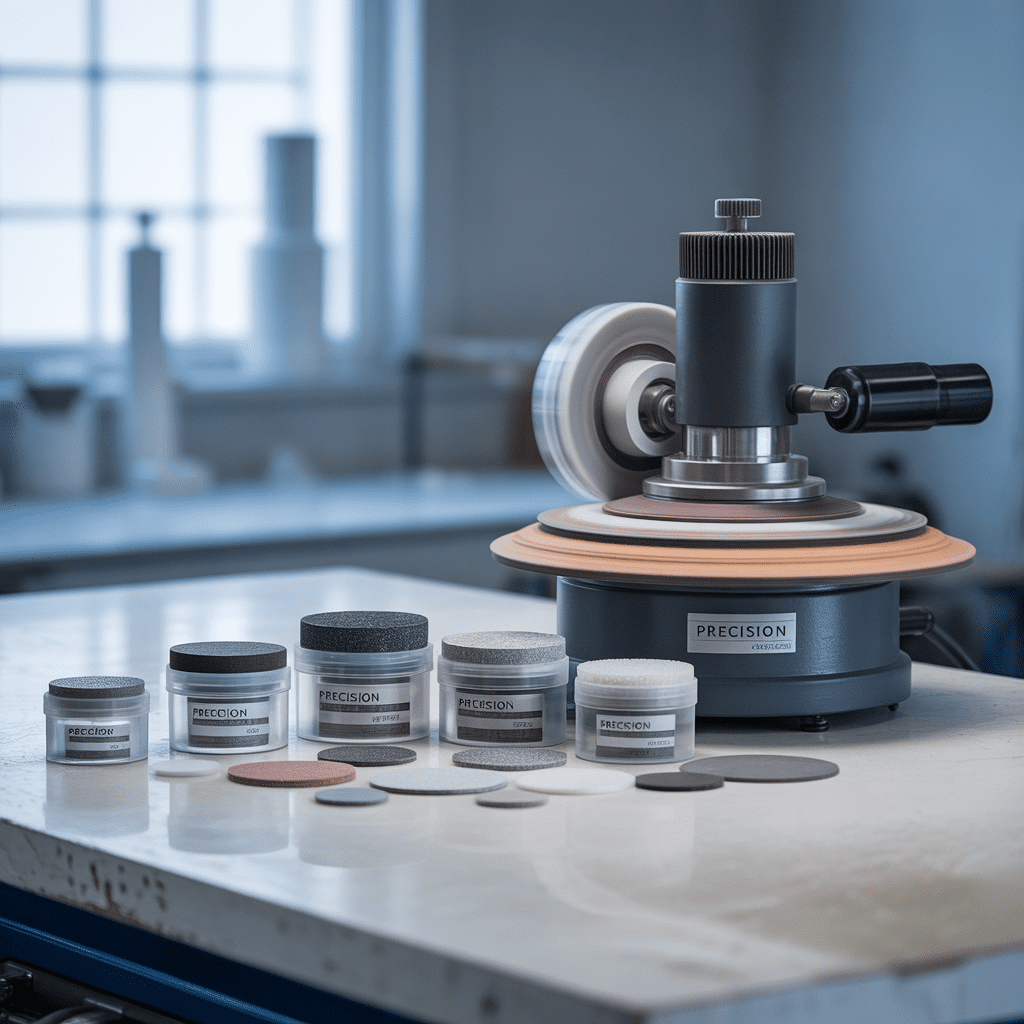
Stone or Marble restoration focuses on repairing, polishing, grinding, honing, and refinishing your existing stone surfaces. This process brings back the stone’s original beauty by correcting the damage without removing the material. On the other hand, stone replacement means tearing out the damaged slabs and doing new Stone & Tile Installation.Both options have their place, but many business owners and residents are surprised to learn how often restoration provides the same fresh, flawless appearance at a fraction of the cost.

When To Opt For Stone Restoration?

1. Your Stone Has Surface-Level Damage

If you’re dealing with scratches, dullness, watermarks, or light etching, restoration is almost always the smarter choice. Most of this damage sits on the top layer of the stone, and with the right equipment and techniques, we can bring the surface back to life without replacement.This applies to surfaces such as:
  • Marble floors
  • Granite countertops
  • Limestone tiles
  • Terrazzo flooring
High-ranking keywords: marble restoration, granite repair, stone polishing, floor restoration.

2. You Want to Save Money Without Sacrificing Quality

Full stone replacement includes demolition, disposal, material purchase, fabrication, and installation, costs that can climb quickly. Restoring your stone can save you up to 70% compared to replacement while still giving you a renewed, high-end look.Restoration is cost-efficient because it works with the stone you already have. Most natural stone slabs are extremely durable, which means they respond beautifully to refinishing and polishing, even after years of wear.

3. You Want to Preserve Original or Hard-to-Find Stone

Older homes or custom-designed properties often feature stone materials that are no longer available. If you replace, you may struggle to match color, pattern, or texture.This is where stone restoration becomes the ideal choice. You keep your original stone while improving its appearance and durability. Whether it’s an antique marble foyer or a specialty limestone staircase, restoring allows you to maintain that unique character.

4. You Need Faster Results With Less Disruption

Replacement can take days, or even weeks, depending on fabrication timelines and installation complexity. In contrast, restoration is typically quicker:
  • No demolition
  • No dust-heavy construction
  • No long waiting periods
Most owners appreciate that stone refinishing, honing, and polishing give them a revitalized surface with minimal downtime.

5. Your Stone Is Structurally Sound

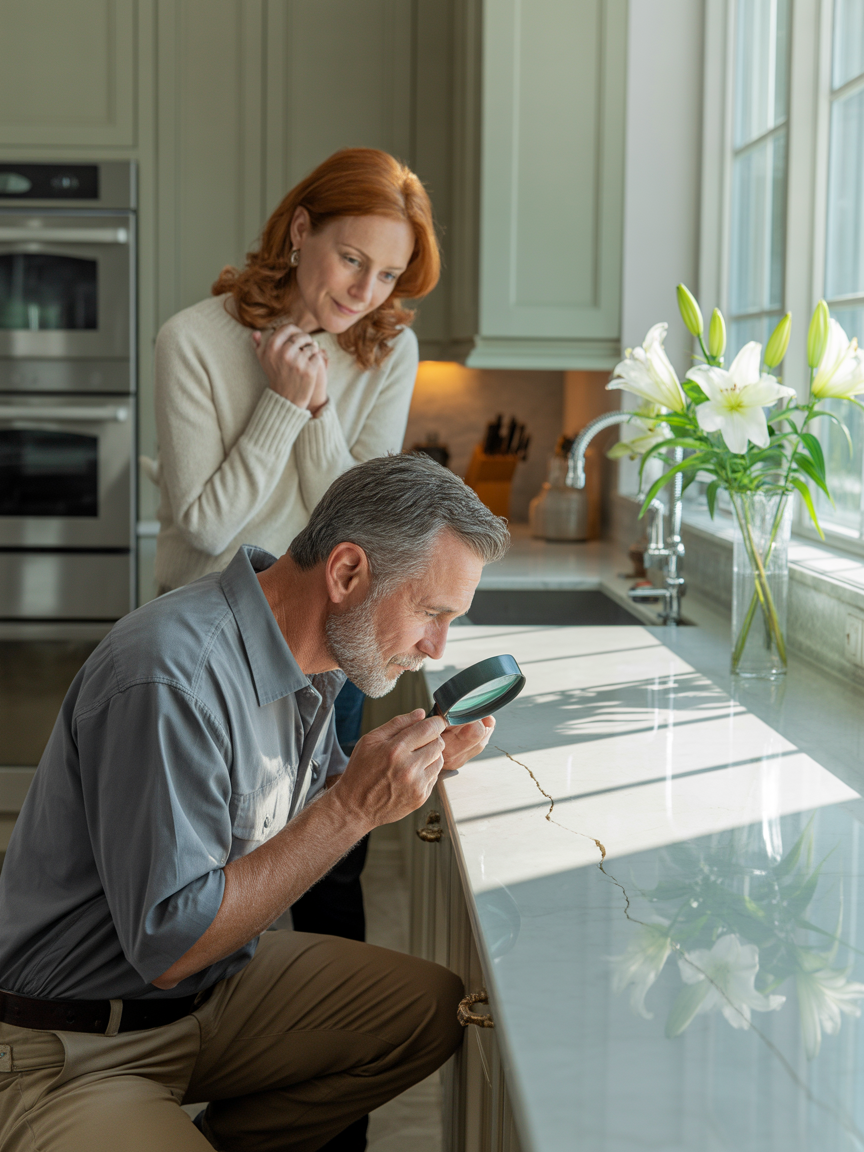
As long as the stone is not cracked through its full depth or broken into pieces, restoration is highly effective. Deep scratches, stains, and etching can all be corrected through grinding, polishing, and professional sealing.If you are unsure whether your stone is repairable, schedule an inspection. We can assess the damage and recommend the right approach through our Stone Restoration service.

When Replacement Is the Better Option?

While restoration solves most problems, replacement may be necessary when:
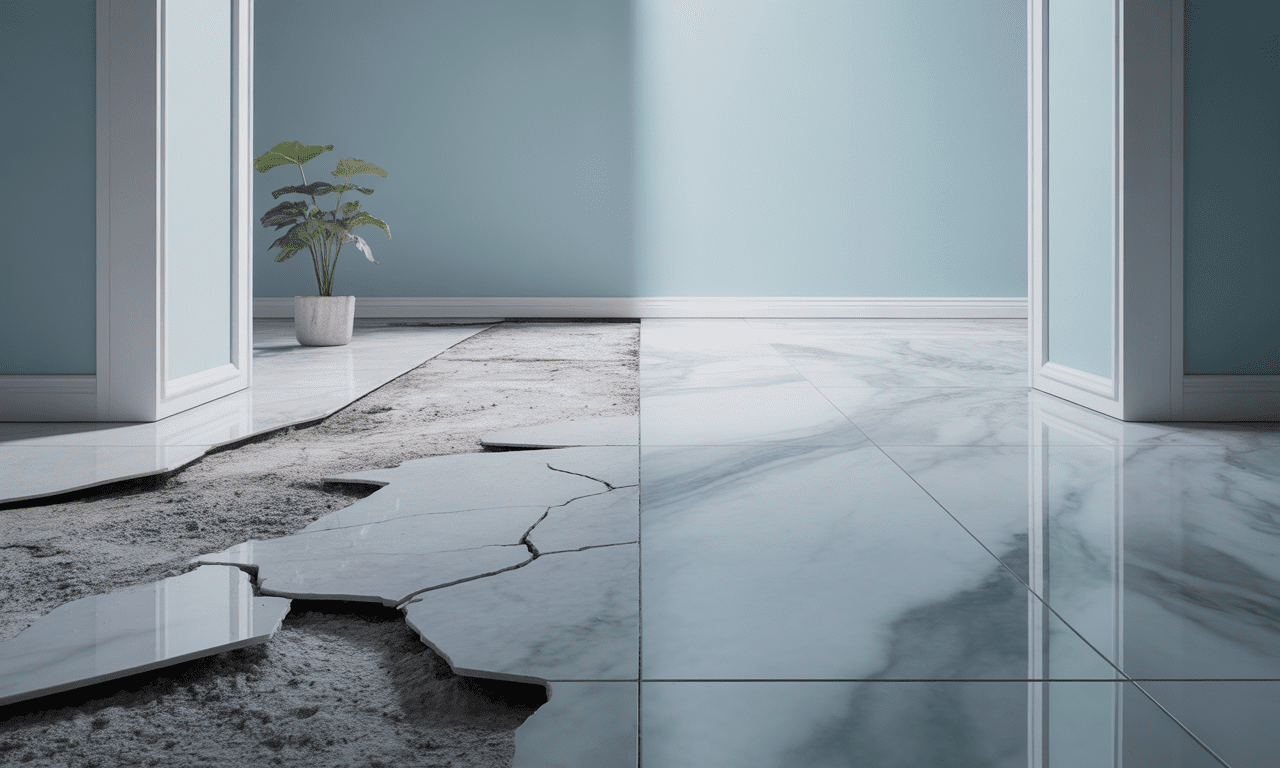
  • The stone is severely cracked
  • Entire sections are missing
  • The subfloor or surface underneath has major damage
  • You want a completely new color or stone type
In these situations, replacing your stone may offer longer-lasting results and a fresh start. But even then, we always review restoration possibilities first because many issues can still be repaired.

Summing It All Up

Stone restoration delivers the best balance of cost, appearance, and durability. It keeps your stone looking spectacular while preserving the material you already love. Whether you’re dealing with dull marble floors or worn-out granite countertops, restoration is often the more practical, and more budget-friendly, solution.If you’re ready to revive your existing stone surfaces, explore your options with Old Stone Restoration’s Stone Restoration Services. To get in touch, call us at (631) 821-5619 or visit our website.
Top