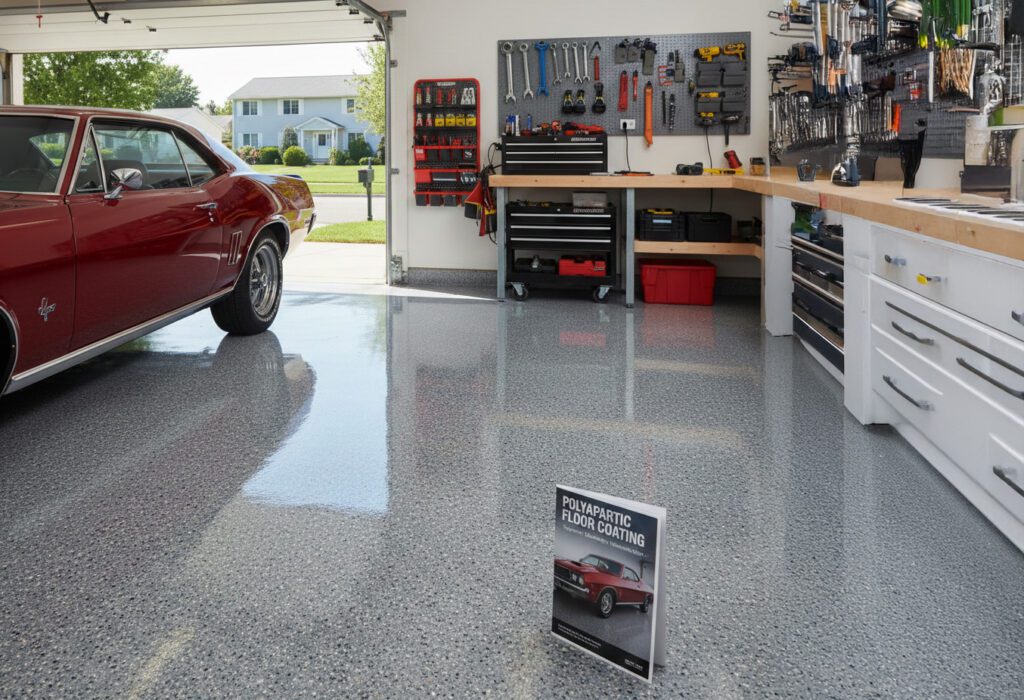
When people want to protect concrete floors, two popular choices come up — polyaspartic and epoxy. Many homeowners and business owners ask one simple question: Which one lasts longer?
This guide explains everything in very simple language. By the end, you will clearly understand which coating may be better for your floor and why.
What Is Polyaspartic Floor Coating?
Polyaspartic is a newer type of floor coating. It is designed to be strong, flexible, and long lasting. It also dries very fast, sometimes in just a few hours.
Polyaspartic coatings are known for:
Strong resistance to chemicals and scratches
UV resistance (does not turn yellow in sunlight)
Flexibility, which helps prevent cracks
Long lifespan with low maintenance
Studies show polyaspartic coatings often last 10–20 years or more when installed properly.
What Is Epoxy Floor Coating?
Epoxy is a very popular and older floor coating system. It creates a hard, protective layer on top of concrete.
Epoxy is known for:
Strong surface hardness
Good value for money
Smooth and glossy finish
Good protection for indoor floors
However, most epoxy floors last around 5–10 years, depending on use and installation quality.
Polyaspartic vs Epoxy Floor Coating: Which Lasts Longer?
Average Lifespan Comparison
Epoxy: About 5–10 years (sometimes less in heavy traffic areas)
Polyaspartic: About 10–20+ years
This means polyaspartic can last almost double or even triple in some cases.
Why Polyaspartic Floors Usually Last Longer
1. Better Flexibility
Concrete expands and shrinks with weather changes. Epoxy is hard but not flexible. Polyaspartic is flexible and moves with concrete, reducing cracks.
2. Strong UV Protection
Epoxy can turn yellow in sunlight. Polyaspartic stays clear and strong even outdoors.
3. Higher Chemical and Scratch Resistance
Polyaspartic handles chemicals, oils, and heavy traffic better over time.
When Epoxy Might Still Be a Good Choice
Even though polyaspartic lasts longer, epoxy is still useful.
Epoxy works well if:
You want a budget-friendly option
The floor is indoors
Traffic is moderate
UV exposure is low
Many homes still use epoxy successfully for garages and basements.
Does Installation Quality Affect Lifespan?
Yes — this is very important.
Even the best coating can fail if:
Surface is not prepared correctly
Moisture is trapped in concrete
Cheap materials are used
Installer lacks experience
Professional installation can add many years to coating life.
Cure Time Difference (Why It Matters)
Polyaspartic dries much faster:
Epoxy: 24–72 hours or more
Polyaspartic: 2–24 hours
Fast curing means less downtime for homes and businesses.
Maintenance Differences
Polyaspartic:
Very low maintenance
Resists stains and moisture
Epoxy:
May need recoating earlier
Can chip or stain over time
Polyaspartic floors usually stay looking new longer.
Real Answer: Which Floor Coating Should You Choose?
Choose Polyaspartic if: You want the longest lifespan, outdoor use, or heavy traffic durability.
Choose Epoxy if: You want a cost-effective indoor flooring solution.
The best choice depends on your budget, usage, and environment.
About Our Experience
At Old Stone Restoration & Installation Corp, flooring and surface restoration is not new to us. Our company has been family owned and operating since 1990 and has served customers for over 35+ years. We have worked with materials like stone, terrazzo, polished concrete, and epoxy flooring across residential and commercial projects.
This long experience helps ensure proper surface preparation, correct material selection, and long-lasting results for every project.
If you are considering polyaspartic floor coating vs epoxy, our team can help you choose the right system based on your floor condition and usage needs.
At Old Stone Restoration & Installation Corp we offer epoxy floor coating services in Long Island at affordable price.
Final Thoughts
If you only compare lifespan, polyaspartic usually wins. But epoxy is still a great choice for many indoor floors. The most important factor is professional installation and proper surface preparation.
When installed correctly, both coatings can protect your floor for many years.
FAQs
How long does polyaspartic floor coating last?
Usually 10–20 years or more with proper installation and maintenance.
How long does epoxy floor coating last?
Most epoxy floors last about 5–10 years depending on traffic and care.
Is polyaspartic better than epoxy?
For lifespan, UV resistance, and flexibility — yes. But epoxy is still good for budget indoor projects.
Is polyaspartic more expensive than epoxy?
Yes, usually. But it may save money long term because it lasts longer.
Can epoxy last 20 years?
Sometimes, but usually only in low-traffic areas with perfect installation and maintenance.