A cracked, peeling floor inside a busy warehouse or a dull, stained surface in a car showroom creates problems that go far beyond appearance. The wrong flooring system often leads to expensive repairs, safety hazards, and unexpected business downtime that nobody wants to deal with. Property owners sometimes discover too late that not all epoxy floors perform the same way under real-world working conditions.
Old Stone Restoration and Installation Corp has installed and restored high-performance flooring systems for over 35 years across Long Island, helping property owners choose solutions based on real-world performance rather than marketing claims alone.
Quick Answer:
The best epoxy flooring system depends on how the floor will be used daily. Self-leveling epoxy works well for showrooms and retail spaces, while epoxy mortar systems handle heavy industrial environments. Decorative flake systems suit residential garages well, and high-build epoxy coatings perform excellently in warehouses. Working with a professional epoxy flooring service ensures maximum durability, proper surface preparation, and long-term value for any project.
What Are Epoxy Flooring Systems?
Epoxy flooring systems consist of two main components: epoxy resin and a chemical hardener. When mixed together, these components create a chemical reaction that bonds directly to concrete surfaces, forming a seamless, protective coating that becomes extremely tough once fully cured.
The basic installation process follows this pattern:
Concrete Surface → Primer Application → Epoxy Layers → Protective Topcoat → Finished Floor
Unlike regular floor paint that sits on top of concrete, epoxy actually penetrates and bonds with the surface below. This delivers industrial-grade performance for handling heavy equipment, chemical spills, and constant foot traffic without breaking down quickly.
The curing process typically takes several days to reach full strength. During this time, the floor transforms from a liquid coating into a rock-hard protective layer that can last for many years with proper care.
Why is Epoxy Flooring Popular?
Facility managers and property owners continue to choose epoxy flooring for several practical reasons that make daily operations easier.
The seamless surface eliminates cracks and joints where dirt, bacteria, and liquids tend to collect. Cleaning becomes much simpler because there are no grout lines or seams to scrub. A quick sweep and occasional mop usually keep epoxy floors looking great.
Chemical resistance stands out as another major benefit. Oil spills, cleaning solutions, and industrial chemicals that would destroy regular concrete often wipe right off epoxy surfaces without leaving permanent stains or damage.
The dust-free nature helps facilities that require clean air. Unlike bare concrete that constantly releases fine particles, sealed epoxy floors stay smooth and contained. This matters especially in healthcare settings, food processing areas, and electronics manufacturing.
Heavy-traffic areas benefit from exceptional durability. Forklifts, pallet jacks, and constant foot traffic that would wear down other flooring materials barely affect quality epoxy installations. According to the Flooring Contractors Association, properly installed commercial epoxy systems can handle over 10,000 pounds per square inch of compressive strength.
Read also: Polished Concrete Floors vs. Traditional Finishes: What Facility Managers Must Know
What are the Types of Epoxy Flooring Systems?
Self-Leveling Epoxy Flooring
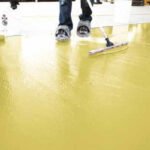
Self-leveling epoxy creates a perfectly smooth, glossy surface that looks almost like glass when finished. The liquid mixture spreads across floors and naturally levels itself, filling in minor imperfections and creating a seamless appearance.
Best Applications: Showrooms, retail stores, offices, commercial interiors, and spaces where appearance matters as much as durability.
Advantages: Creates stunning visual appeal, reflects light beautifully, easy to clean, available in many colors, and provides moderate chemical resistance.
Epoxy Mortar Flooring
Epoxy mortar systems represent the toughest option available. These systems combine epoxy resin with sand or quartz aggregate, creating a thick, incredibly strong surface that handles the most demanding industrial conditions.
For facilities requiring maximum durability, professionally installed Epoxy and Urethane Mortars provide outstanding resistance to heavy traffic, chemicals, and impacts while significantly extending the life of concrete floors.
Best Applications: Manufacturing plants, warehouses with heavy equipment, food processing facilities, and areas with forklift or steel wheel traffic.
Advantages: Exceptional impact resistance, handles thermal shock, repairs damaged concrete effectively, and provides the highest compressive strength available.
High Build Epoxy Coating
High-build systems apply coatings thicker than standard, typically ranging from 10 to 20 mils. This extra thickness provides better protection against abrasion and chemical exposure while still maintaining a smooth, attractive finish.
Best Applications: Warehouses, distribution centers, industrial buildings, and facilities needing enhanced protection without the heaviest mortar systems.
Advantages: Good balance between cost and performance, handles moderate to heavy traffic, and provides excellent chemical resistance.
Decorative Flake Epoxy
Decorative flake systems broadcast colored vinyl or acrylic chips into wet epoxy, creating a textured, multicolored appearance that hides imperfections and adds slip resistance.
Best Applications: Residential garages, auto repair shops, home workshops, and commercial spaces wanting decorative appeal with good performance.
Advantages: Hides minor floor damage, adds texture for better traction, offers countless color options, and provides good durability for moderate traffic.
Metallic Epoxy Flooring
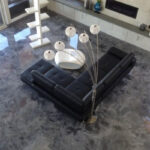
Metallic epoxy contains special pigments that create unique, three-dimensional effects resembling marble, lava flow, or artistic swirls. Each installation looks different because the metallic particles move during application.
Best Applications: Luxury garages, car showrooms, hotels, high-end retail, and anywhere that wants to make a dramatic visual statement.
Advantages: Creates truly unique, eye-catching floors, reflects light beautifully, provides good durability, and adds significant property value in the right settings.
Quartz Epoxy Flooring
Quartz-filled epoxy systems use colored quartz granules to create a decorative, textured surface with excellent slip resistance, even when wet.
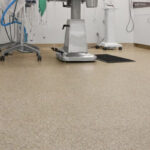
Best Applications: Hospitals, schools, locker rooms, commercial kitchens, restrooms, and areas needing both safety and aesthetics.
Advantages: Superior slip resistance, decorative appearance, good chemical resistance, and handles moisture well.
Comparison Table: Epoxy Flooring Systems at a Glance
| Flooring System | Best for | Durability | Appearance | Maintenance |
| Self Leveling | Showrooms, Offices | Moderate | Excellent | Low |
| Epoxy Mortar | Heavy Industry | Very high | Moderate | Low |
| High Build | Warehouses | High | Good | Low |
| Decorative Flake | Garages, Workshops | Moderate | Good | Low |
| Metallic | Luxury Spaces | Moderate | Excellent | Moderate |
| Quartz | Schools, Kitchens | High | Good | Low |
Best Epoxy Flooring Systems for Warehouses
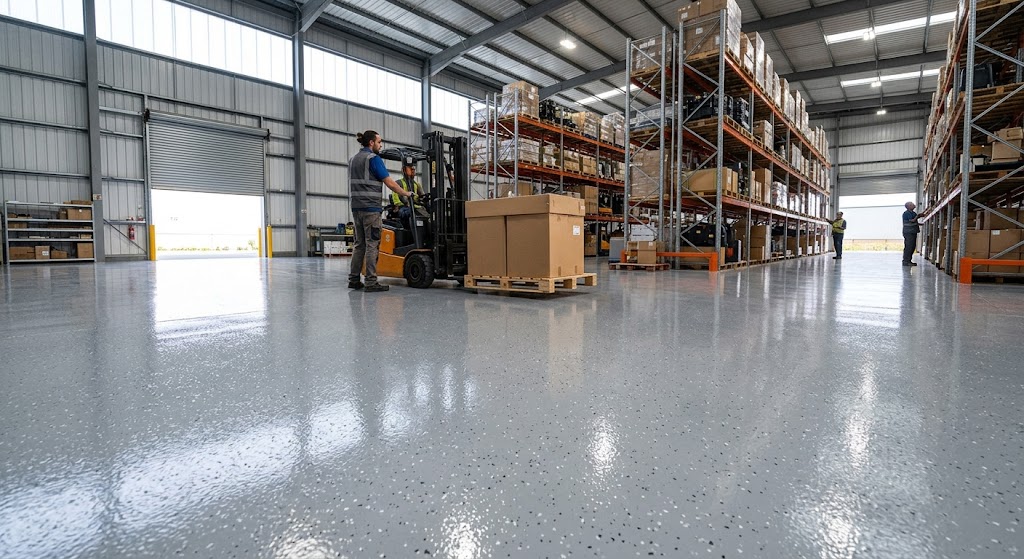
Warehouses deal with heavy traffic, constant equipment movement, spills, and regular wear. The right epoxy flooring system should be able to handle all of this.
- For moderate traffic: High-build epoxy coatings offer strong protection for warehouses with lighter equipment and regular foot or forklift traffic.
- For heavy-duty use: Epoxy mortar systems are better suited for warehouses with heavy forklift traffic, steel-wheeled traffic, dropped loads, and other demanding conditions.
- For cold storage areas: Epoxy mortar flooring can handle temperature fluctuations and thermal shock better than many standard coatings.
- For chemical and oil spills: Quality epoxy systems help protect the concrete from hydraulic fluid, fuel, oil, and cleaning chemicals.
- For extra protection: A polyurethane topcoat can increase resistance to chemicals, UV exposure, and everyday wear.
- For impact and abrasion resistance: Heavy-duty epoxy flooring can withstand dropped pallets, equipment impacts, and constant forklift traffic.
Best Epoxy Flooring Systems for Garages
Home garages deal with hot tires, oil leaks, chemical spills, and regular vehicle traffic. The right epoxy system should offer durability while also matching the space’s look and use.
- Decorative flake epoxy: It remains a popular choice for residential garages. The flakes can help hide minor stains and imperfections while adding texture and slip resistance.
- Metallic epoxy: Creates a more decorative, custom look. Its unique patterns can give a garage a high-end appearance, although it usually costs more and requires more precise installation.
- Professional installation: can make a noticeable difference in how well the flooring performs. DIY kits may work for some projects, but proper surface preparation and application are important for long-term results.
- Hot tire pickup: This is a common problem with poorly prepared or improperly installed epoxy floors. Hot tires can stick to the coating and pull it away from the concrete. Using high-quality materials and properly preparing the concrete can help reduce this risk.
Best Epoxy Flooring Systems for Garages
A home garage has its own flooring challenges. Hot tires, oil drips, vehicle traffic, and the occasional chemical spill can all take a toll on a concrete floor over time. Epoxy flooring can help protect the surface while also giving the garage a cleaner, more finished look.
- Decorative flake epoxy: The flakes help hide small stains and imperfections while adding texture to the floor. With various colors and patterns available, the finish can also be matched to the garage’s overall look.
- Metallic epoxy: This offers a more custom appearance, with patterns that give the floor a unique, almost artistic finish. It can be a popular option for car enthusiasts who want their garage to feel more distinctive.
- Professional installation: DIY kits may seem convenient, but surface preparation is one of the most important parts of the process. Professional installers have the tools and experience needed to properly prepare the concrete and apply the coating.
- Hot-tire pickup: When hot tires stick to the coating, they can pull it away from the concrete. Proper surface preparation, quality materials, and correct application can help reduce the risk of this happening.
Best Epoxy Flooring Systems for Showrooms
In a showroom, the epoxy flooring system does more than cover the concrete. It helps set the tone for the entire space and can influence how customers view the products on display.
Self-leveling epoxy: It creates a smooth, seamless surface that reflects light evenly and gives the showroom a clean, polished appearance.
High-gloss finish: This can make the space feel brighter and help product colors stand out. However, scratches and marks may be more noticeable in busy showrooms.
Semi-gloss finish: This offers a balance between appearance and practicality, especially in spaces with regular foot traffic.
Metallic epoxy: This can add a more distinctive look to luxury car dealerships, high-end retail spaces, and other showrooms where the floor itself is part of the design.
Lighting: The color and finish of the epoxy can affect how overhead lights reflect across the floor and how products appear in the space. A professional installer can help recommend a finish that works well with the showroom’s lighting and overall design.
How to Choose the Right Epoxy Flooring System?
Selecting the correct epoxy flooring services requires an honest assessment of several key factors that affect long-term performance.
Traffic Patterns: Consider both the type and amount of traffic the floor will handle. Foot traffic only? Forklifts? Pallet jacks? Steel wheel carts? Each traffic type demands different performance characteristics.
Budget Considerations: While cheaper systems save money initially, they often cost more over time through earlier replacement and more frequent repairs. Mid-range to premium systems generally provide better value over a facility’s lifespan.
Moisture Conditions: Some facilities have moisture vapor transmission through concrete slabs. This moisture can cause epoxy to bubble, peel, and fail prematurely. Proper moisture testing during preparation identifies potential problems before installation begins.
UV Exposure: Areas with significant sunlight exposure need UV-stable topcoats to prevent yellowing and fading. Aliphatic polyurethane topcoats handle UV exposure much better than standard epoxy.
Chemical Exposure: Identify which chemicals will regularly come into contact with the floor. Different epoxy formulations resist different chemicals. Manufacturing facilities handling acids need specialized formulations that general-purpose epoxy cannot match.
Desired Appearance: Aesthetic requirements vary widely between applications. Industrial warehouses need function over form, while showrooms prioritize visual appeal. Match the system to actual appearance needs.
Downtime Tolerance: Installation and curing take time. Some facilities cannot shut down for extended periods. Polyaspartic and urethane systems cure faster than traditional epoxy, which may matter for time-sensitive projects.
Expected Lifespan Goals: Planning to use the space for five years differs from twenty-year projections. Investment levels should match how long the flooring needs to perform.
Epoxy Flooring vs Other Flooring Options
Understanding how epoxy compares to alternatives helps property owners make informed decisions about their specific situations.
Polished Concrete: Creates attractive, durable floors by grinding and polishing existing concrete. Works well in retail and commercial spaces. Polished concrete costs less than epoxy but does not offer the same chemical resistance or seamless protection.
Polyurethane Coatings: More flexible than epoxy and handle UV exposure better. Often used as topcoats over epoxy base layers. Standalone polyurethane systems work well for floors that need chemical resistance and some flexibility.
Polyaspartic Coatings: Cure much faster than traditional epoxy, sometimes in just a few hours. This speed advantage helps facilities that cannot tolerate extended downtime. Performance rivals good epoxy systems in many applications.
Tile Flooring: Traditional tiles work in some commercial settings but create grout lines that collect dirt and bacteria. Impact resistance is generally poorer than that of seamless epoxy systems.
Vinyl Flooring: Lower-cost option for light-duty commercial applications. Vinyl cannot handle heavy equipment or industrial conditions, but it works well for offices and light retail.
Concrete Paint: Concrete paint wears quickly under traffic and provides little chemical resistance. Most facilities outgrow paint quickly and eventually upgrade to proper epoxy systems. The cheapest option, but it offers minimal protection.
Surface Preparation: The Step That Makes the Difference
A durable epoxy floor starts with properly prepared concrete. Even high-quality epoxy can fail if the surface is not ready for the coating.
- Grinding or shot blasting removes the smooth surface and creates the texture epoxy needs to bond properly.
- Crack repair fixes existing damage before the coating is applied, helping prevent cracks from showing through the finished floor.
- Moisture testing checks for excess moisture in the concrete. If moisture levels are too high, the issue may need to be addressed before installation.
- Deep cleaning removes oil, grease, dirt, old coatings, and other contaminants that could prevent the epoxy from bonding properly.
- Primer application helps create a stronger bond between the concrete and the epoxy system. The right primer depends on the condition of the concrete and the type of flooring being installed.
Taking the time to properly prepare the surface can help prevent common problems such as peeling, bubbling, and delamination. This step may take extra time, but it plays a major role in how well the finished floor performs over the long term.
Professional Epoxy Flooring Service vs DIY Installation
| Factor | Professional Service | DIY Installation |
| Initial Cost | Higher | Lower |
| Dyrability | Excellent | Variable |
| Warranty | Generally, yes | Usually none |
| Equipment | Industrial grade | Consumer grade |
| Safety | Handled by experts | Personal responsibility |
| Finish quality | Consistent, professional | Depends on skill |
| Time required | Faster completion | Extended timeline |
| Surface prep | Thorough, proper | Often inadequate |
DIY garage kits appeal to budget-conscious homeowners, and some achieve acceptable results. However, professional epoxy flooring services typically yield floors that last significantly longer and perform better in actual use.
Industrial and commercial applications almost always require professional epoxy flooring installation. The stakes are too high and the square footage too large for DIY approaches to make practical sense.
What are the Common Epoxy Flooring Mistakes That Usually Happen?
Understanding common mistakes helps property owners avoid them and ask better questions when hiring contractors.
Wrong Product Selection: Using residential-grade products for commercial applications leads to premature failure. Matching product capabilities to actual use requirements matters enormously.
Skipping Proper Grinding: Surface preparation shortcuts cause more failures than any other single mistake. There is no substitute for proper mechanical preparation.
Applying Over Moisture: Concrete that looks dry may still contain moisture vapor that causes problems. Testing moisture levels before application prevents expensive failures.
Poor Mixing: Epoxy resin and hardener require precise mixing ratios and thorough blending. Improper mixing creates soft spots, discoloration, and adhesion problems.
Incorrect Curing Conditions: Temperature and humidity affect how epoxy cures. Installing during inappropriate weather conditions compromises the final result.
Cheap Materials: Budget materials save money initially but cost more over the floor’s lifespan through earlier replacement and more maintenance issues.
Inexperienced Installers: Epoxy installation requires specific skills that develop with practice. Inexperienced crews make mistakes that compromise quality even when using premium materials.
How Long Do Epoxy Flooring Systems Last?
Lifespan varies significantly based on installation quality, traffic levels, and maintenance practices.
Residential Applications: Quality garage epoxy typically lasts 10 to 20 years with normal use and basic maintenance. Higher traffic or heavy equipment use shortens this range.
Commercial Applications: Well-installed commercial epoxy systems typically last 15 to 25 years in moderate-traffic environments. High-traffic retail or office spaces may need resurfacing sooner.
Industrial Applications: Heavy industrial mortar systems can last over 20 years, even under demanding conditions, when properly installed and maintained. Some facilities report 30+ years of quality installations.
Maintenance Schedules: Regular cleaning, prompt spill cleanup, and periodic inspections significantly extend the floor’s lifespan. Neglected floors degrade faster regardless of initial quality.
Resurfacing Timing: When wear becomes noticeable, but the base coating remains sound, resurfacing with a fresh topcoat often restores appearance and protection without complete replacement.
Maintenance Tips for Epoxy Floors
Daily Care: Sweep or dust-mop to remove grit and debris that could scratch surfaces under foot traffic. This simple step prevents most wear patterns.
Weekly Cleaning: Damp-mop with clean water or a mild detergent solution. Avoid harsh chemicals and abrasive cleaning tools that could damage the surface.
Monthly Attention: Inspect for any developing problems, such as cracks, chips, or peeling edges. Addressing small issues early prevents them from becoming major repairs.
Annual Inspection: Walk the entire floor looking for wear patterns, chemical damage, or structural issues. Professional inspection may identify problems that untrained eyes miss.
Proper maintenance extends floor life dramatically while keeping surfaces looking professional. The small time investment pays significant dividends through avoided repairs and extended replacement timelines.
Key Signs It Is Time to Replace or Restore Epoxy Floors
Several warning signs indicate when floors need professional attention.
Peeling or Bubbling: When epoxy separates from concrete, adhesion has failed. Small peeling areas may allow spot repairs, but widespread peeling usually requires complete removal and reinstallation.
Visible Cracks: Surface cracks that penetrate through the coating allow moisture and chemicals to reach concrete below. Cracks should be addressed before they worsen.
Discoloration: Yellowing, fading, or uneven color changes indicate UV damage or chemical exposure. While primarily cosmetic, discoloration may signal deeper material degradation.
Delamination: Layers separating from each other compromise the entire system. Delamination typically spreads over time if not addressed.
Deep Scratches: Surface scratches in high-traffic paths expose underlying layers to wear. Heavy scratch patterns indicate the floor has exceeded its service life.
Chemical Damage: Etching, softening, or discoloration caused by chemical exposure may require recoating or replacement, depending on severity.
Why Hiring an Experienced Epoxy Floor Contractor Matters
Experience translates directly into better flooring results. Contractors who have completed hundreds or thousands of projects understand how different conditions affect outcomes. They recognize potential problems before they become expensive failures.
Correct material selection requires understanding how different products perform under various conditions. Experienced contractors match materials to actual use requirements rather than defaulting to familiar products.
Moisture testing and proper substrate preparation eliminate the most common causes of failure. Professional equipment and testing protocols identify issues that visual inspection cannot detect.
Industrial preparation equipment achieves surface profiles that consumer tools cannot match. Diamond grinders, shot blasters, and professional vacuum systems create ideal bonding conditions.
With more than 35 years of experience, Old Stone Restoration and Installation Corp. understands that every facility has different flooring requirements. Whether installing decorative garage coatings or heavy-duty industrial epoxy systems, selecting the correct flooring system matters just as much as the installation itself.
Why Choose Old Stone Restoration and Installation Corp.
35+ Years of Experience: Serving property owners across Long Island with decades of hands-on knowledge.
Commercial and Residential Projects: Flooring solutions for projects of all sizes and property types.
Industrial Epoxy Systems: Durable flooring options designed for demanding environments.
Decorative Finishes: Stylish options for garages, showrooms, and other spaces.
Professional Surface Preparation: Proper equipment and preparation techniques to support long-lasting results.
Quality Materials: Premium products sourced from trusted manufacturers.
Long-Term Performance: Flooring solutions designed to handle everyday wear and demanding use.
Customized Solutions: Recommendations tailored to each property’s specific needs.
With decades of hands-on experience, the team at Old Stone Restoration and Installation Corp. understands what goes into preparing and installing a floor that performs well. Proper planning and preparation can also help property owners avoid common issues and unnecessary repair costs.
For heavy-duty flooring applications, explore the Epoxy and Urethane Mortars to learn more about industrial-grade systems designed for demanding environments.
Conclusion
The best epoxy flooring system depends on the space, the amount of traffic it sees, and the type of wear the floor needs to withstand. A busy warehouse may need a heavy-duty system, while a home garage or showroom may benefit from a different finish and level of protection.
If planning a new epoxy flooring project or upgrading worn concrete floors, working with an experienced epoxy floor contractor helps ensure the flooring system matches specific property requirements.
Old Stone Restoration and Installation Corp provides professional epoxy flooring solutions designed for lasting performance and appearance across Long Island communities.
FAQs
What is the best epoxy flooring system overall?
The best system depends on specific application needs. Epoxy mortar handles heavy industrial use, self-leveling works well for showrooms, and decorative flake systems suit most residential garages.
Which epoxy system works best for warehouses?
High-build epoxy coatings or epoxy mortar systems typically perform best in warehouse environments. These systems handle forklift traffic, heavy loads, and chemical exposure better than thinner coatings.
What is the best garage epoxy floor?
Decorative flake epoxy systems remain the most popular choice for residential garages, offering good durability, attractive appearance, and slip resistance at reasonable cost.
Is epoxy flooring good for commercial buildings?
Yes, epoxy performs exceptionally well in commercial settings, including retail stores, offices, restaurants, and healthcare facilities, when the right system is selected for the specific conditions.
How long does epoxy flooring typically last?
Quality installations commonly last 10 to 25 years depending on traffic levels, maintenance practices, and the specific system installed. Industrial mortar systems may last for more than 20 years.
Is epoxy flooring waterproof?
Properly installed epoxy creates a waterproof barrier that prevents liquids from penetrating into concrete below. However, moisture vapor from beneath the slab can cause problems if not addressed during installation.
Does epoxy flooring crack over time?
Epoxy itself rarely cracks, but if the concrete substrate cracks, those cracks may telegraph through the coating. Proper crack repair during preparation prevents most issues.
Can epoxy be applied over old concrete?
Yes, epoxy bonds well to properly prepared existing concrete. Surface preparation including cleaning, grinding, and crack repair ensures good adhesion to older slabs.
Is metallic epoxy durable enough for regular use?
Metallic epoxy provides moderate durability suitable for showrooms, luxury garages, and light commercial applications. Heavy industrial use typically requires different systems.
Can forklifts damage epoxy floors?
Standard epoxy coatings can be damaged by forklift traffic over time. Heavier epoxy mortar systems and high-build coatings handle forklift traffic much better.
How thick should epoxy flooring be?
Thickness varies by system and application. Standard coatings run 2 to 3 mils, high-build systems reach 10 to 20 mils, and mortar systems can exceed 1/4 inch, depending on requirements.
Is professional installation worth the extra cost?
For most applications, professional installation delivers significantly better long-term value through proper preparation, appropriate material selection, and longer-lasting results.
How much maintenance does epoxy require?
Epoxy floors require minimal maintenance. Regular sweeping and occasional damp mopping keep most floors in excellent condition for many years.
What is the difference between epoxy and urethane mortar systems?
Urethane mortars offer better thermal shock resistance and flexibility compared to epoxy mortars. Urethane systems work better in areas with temperature swings or hot wash-down cleaning.
Which epoxy flooring system looks best in showrooms?
Self-leveling epoxy and metallic epoxy systems create the most visually impressive showroom floors. Both offer high gloss finishes that enhance product displays and customer impressions.