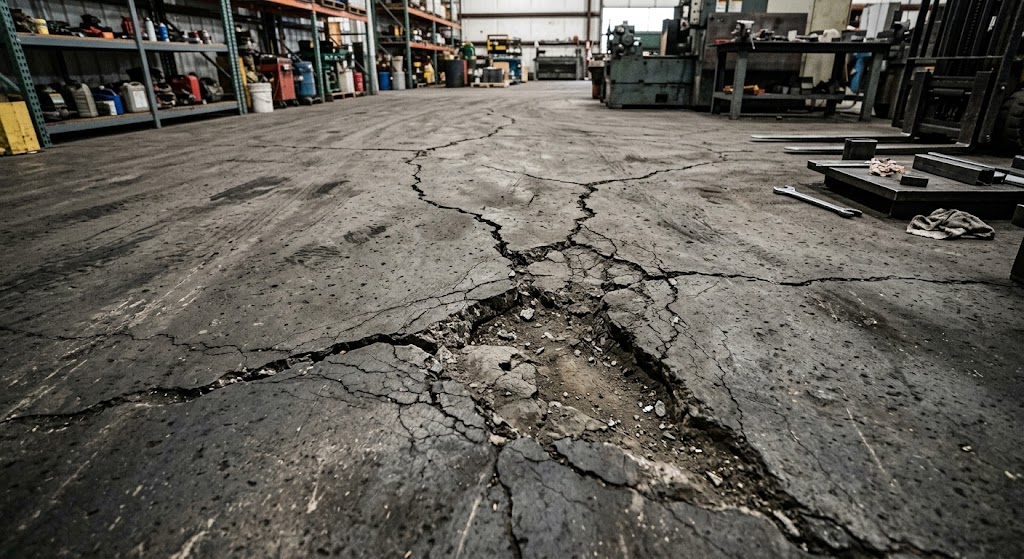
Seeing cracks spread across a concrete floor or driveway often triggers immediate worry. Many property owners assume the worst and start calculating the cost of tearing everything out and starting fresh. Concrete is one of the most durable building materials around, yet it does develop cracks over time.
Jumping straight to replacement without proper inspection often leads to spending thousands of dollars that could have been avoided. A thorough assessment by trained professionals can determine whether concrete floor repair, resurfacing, or patching will effectively solve the problem.
Old Stone Restoration and Installation Corp. has spent over 35 years helping property owners across Long Island navigate these exact decisions. With decades of hands-on experience in concrete repair, the team has seen virtually every type of damage imaginable and helped countless clients avoid unnecessary replacement costs.
Quick answer:Many cracked concrete surfaces can be repaired if the damage is minor or localized. However, replacement becomes necessary when cracks are structural, widespread, or caused by foundation movement. The right solution depends on the size, depth, cause, and overall condition of the concrete. |
Can Cracked Concrete Be Repaired?
In most situations, yes. Cracked concrete repair is entirely possible when the damage meets certain criteria.
The answer depends heavily on what caused the crack to form. Shrinkage cracks that appear during the curing process rarely threaten structural integrity. Surface-level damage from normal wear and aging typically responds well to professional repair techniques.
Depth matters significantly too. Shallow cracks that affect only the top layer of concrete are excellent candidates for concrete resurfacing or epoxy filling. Deeper cracks that extend through the entire slab require more involved repair methods but can still often be addressed without full replacement.
Movement plays a critical role in the evaluation. A crack that appeared once and has remained stable for months or years is far easier to repair than one that continues widening. Active cracks suggest ongoing foundation issues that may need to be addressed before any concrete restoration work begins.
However, if cracks appear throughout multiple sections and the slab shows widespread deterioration, replacement may prove more practical.
Why Does Concrete Crack in the First Place?
Understanding why cracks develop helps determine the best repair approach.
Shrinkage Cracks
Concrete naturally shrinks as it cures and dries. This shrinkage creates internal stress that often releases through small cracks. These typically appear within the first few days or weeks after pouring and are generally superficial.
Heavy Loads
Concrete has impressive strength, but excessive weight can push it beyond design limits. Vehicles heavier than anticipated, industrial equipment, or concentrated loads in areas not designed for such stress can cause cracking over time.
Poor Installation
When concrete is mixed incorrectly, placed improperly, or finished without adequate skill, problems often emerge later. Too much water in the mix, insufficient thickness, or improper joint spacing all contribute to premature cracking.
Improper Curing
Concrete needs time and proper conditions to reach full strength. Curing too quickly, especially in hot or windy weather, can cause the surface to dry faster than the interior. This uneven drying leads to surface cracks.
Water Damage
Water is concrete’s longtime enemy. When moisture seeps beneath a slab, it can erode the supporting soil and create voids. The unsupported concrete then settles or cracks under its own weight or applied loads.
Freeze-Thaw Cycles
In regions with cold winters, water that penetrates concrete can freeze and expand. This expansion creates internal pressure that forces cracks to form.
Tree Roots
Growing tree roots exert surprising force. When roots expand beneath or against concrete, they can lift sections, create uneven surfaces, and cause cracking along stress lines.
Foundation Settlement
All structures settle somewhat after construction. Uneven or excessive settlement puts stress on concrete slabs that can result in cracking. This type of damage often appears as diagonal or stair step patterns.
What are the Types of Concrete Cracks and What They Mean?
Different crack types indicate different underlying issues. This table helps identify what each type typically means:
| Crack Type | Severity | Can Be Repaired? | Replacement Needed? |
| Hairline | Low | Yes, usually straightforward | Rarely necessary |
| Surface | Low to moderate | Yes, with resurfacing or patching | Only if widespread |
| Settlement | Moderate | Often yes, after addressing soil issues | Sometimes, if severe |
| Structural | High | Possibly, depends on extent | Often recommended |
| Expansion | Moderate | Yes, with proper joint repair | Seldom required |
| Diagonal | Moderate to High | Depends on cause and stability | May be needed if active |
| Wide Cracks (over 1/4 inch) | High | Sometimes, with specialized methods | Often advisable |
| Spalling | Moderate to High | Yes, with proper restoration | If reinforcement is compromised |
This breakdown provides general guidance, but every situation benefits from professional assessment.
How to Tell if Your Concrete Needs Repair Instead of Replacement?
Several indicators suggest that concrete crack repair or concrete restoration will adequately address the problem.
Hairline cracks that measure less than 1/8 inch wide typically fall into the repairable category. These small imperfections rarely affect structural performance and respond well to professional filling techniques.
Surface damage limited to the top layer, including minor pitting, light scaling, or superficial wear, can usually be corrected through concrete resurfacing. This process applies a new wearing surface over the existing slab without removing it.
Small chips and isolated pop-outs caused by aggregate issues or impact damage are prime candidates for patching. Skilled technicians can blend repairs to match surrounding concrete surprisingly well.
Minor scaling, where only the top layer flakes away, often results from improper finishing or freeze-thaw damage. Concrete restoration techniques can restore appearance and prevent further deterioration.
Localized deterioration confined to specific areas while the rest of the slab remains sound suggests targeted repair rather than wholesale replacement. Addressing problem spots early often prevents them from spreading.
A stable foundation beneath the concrete is perhaps the most important factor. When the supporting soil remains solid and properly compacted, surface repairs have excellent long-term prospects. Problems arise when ongoing soil movement continues stressing repaired areas.
Key Signs It May Be Time to Replace Your Concrete Instead
Concrete repair is often enough for minor damage, but some problems are too severe to fix with patching alone. In these cases, replacing the concrete is usually the better long-term solution.
- Wide structural cracks: Cracks wider than 1/4 inch that run through the entire slab often point to a deeper structural issue rather than simple surface damage.
- Several large cracks: If the surface is covered with multiple intersecting cracks, the concrete may have lost its strength, making replacement more practical than repeated repairs.
- Uneven or lifted slabs: Concrete sections that sit at different heights can create tripping hazards and affect drainage. Severe unevenness is often better addressed with replacement.
- Sunken concrete: If part of the slab has settled into the ground, there may be an issue with the soil underneath. Replacing the slab after correcting the underlying problem is usually the best approach.
- Heavy surface damage: When the top layer is flaking away and the stone aggregate beneath is clearly visible, the concrete has often deteriorated to the point that a simple repair is no longer possible.
- Exposed rusty reinforcement: If the steel reinforcement is visible and has started to rust, the slab may continue to weaken over time, making replacement the safer option.
- Water collecting beneath the slab: Standing water beneath or around the concrete can erode the supporting soil and cause ongoing damage, even after repairs.
- Ongoing foundation movement: If shifting ground or foundation movement continues to cause new cracks, repairing the surface alone will not solve the problem.
- Concrete breaking apart: When sections of the slab crumble or separate, replacement is often more cost-effective than repairing extensive damage.
Repair vs Replacement Decision Guide
| Condition | Likely Repair | Likely Replacement |
| Crack width under 1/4 inch | ✅ | |
| Crack width over 1/2 inch | ✅ | |
| Less than 30% of surface affected | ✅ | |
| More than 50% of surface affected | ✅ | |
| Foundation stable | ✅ | |
| Ongoing foundation movement | ✅ | |
| Surface damage only | ✅ | |
| Full depth damage | ✅ | |
| Isolated problem areas | ✅ | |
| Widespread deterioration | ✅ | |
| Reinforcement intact | ✅ | |
| Reinforcement corroded | ✅ |
What Concrete Repair Methods Do Professionals Use?
Professional concrete repair service providers use various techniques matched to specific damage types.
Crack Injection: This method involves injecting epoxy or polyurethane materials directly into cracks under pressure. The material bonds crack faces together and prevents water infiltration. Crack injection works well for stable cracks in structurally sound concrete.
Epoxy Repair: Epoxy crack fillers are 100% solids formulations designed specifically for repairing cracks and defects in concrete. These products work on horizontal and vertical surfaces while offering superior durability. Different formulations address different conditions, from standard cracks to those in chemical exposure areas.
Polyurethane Repair: Polyurethane materials offer flexibility that rigid epoxy cannot match. This makes them ideal for cracks that are subject to movement or temperature fluctuations. Quick-setting formulations allow faster return to service.
Concrete Grinding: Grinding removes surface imperfections, coatings, and high spots while preparing concrete for overlays or new finishes. This process creates a proper surface profile for repair materials to bond effectively.
In many projects, repairing visible cracks alone is not enough. If the surface has uneven areas, coatings may fail prematurely. Recognizing the warning signs early can help determine whether grinding is necessary before any repair work. Learn more in our guide on 7 Signs Your Concrete Floor Needs Grinding Before Coating.
Concrete Resurfacing: Resurfacing applies a thin cementitious or polymer-modified overlay over existing concrete. This approach restores appearance, provides a new wearing surface, and can include decorative options. Concrete resurfacing works best on structurally sound slabs with surface damage.
Concrete Patching: Patching materials fill localized damage, including holes, spalls, and gouges. Modern patching compounds bond strongly to existing concrete and can be feathered to blend with surrounding surfaces.
Joint Repair: Joints allow controlled cracking and movement in concrete slabs. When joints deteriorate, they allow water infiltration and debris accumulation, which damage the surrounding concrete. Professional joint sealants restore protection while accommodating movement.
Concrete Floor Leveling: Self-leveling compounds correct uneven surfaces and low spots. Concrete materials flow into place, creating smooth, level surfaces ready for coatings or use.
At Old Stone Restoration and Installation Corp., the professional Concrete Repair Service uses proven repair systems designed to restore damaged concrete repair while helping extend its lifespan. Factory-trained technicians match the right products and methods to each unique situation.
When Is Concrete Floor Repair the Best Solution?
Industrial concrete floor repair makes particular sense in several common scenarios.
Warehouse floors experience constant heavy traffic from forklifts, pallet jacks, and other material-handling equipment. Small cracks and surface damage in these facilities can often be repaired during off-hours with minimal disruption to operations.
Retail floors must maintain a clean, professional appearance. Concrete floor crack repair addresses unsightly damage without the extended closure required by replacement.
Garage floors, whether residential or commercial, benefit from repair methods that address damage and prepare surfaces for protective coatings. This combination fixes current problems while preventing future ones.
Industrial floors in manufacturing facilities face aggressive conditions including heavy loads, chemical exposure, and abrasive materials. Specialized repair addresses damage while withstanding harsh environments.
Commercial buildings of all types contain concrete that ages and develops wear patterns. Professional assessment often reveals that commercial concrete repair can address visible problems at a fraction of replacement cost.
Residential floors in basements, garages, and patios develop cracks that concern homeowners. Many of these situations respond well to repair approaches that restore both appearance and function.
Can You Repair Concrete Yourself?
Small-scale concrete repairs fall within the capability of handy homeowners willing to learn proper techniques.
DIY repair offers advantages, including lower material cost and the convenience of working on your own schedule. Small cracks and minor surface damage may not justify the expense of professional service.
However, DIY concrete repair carries limitations worth considering. Without proper surface preparation, repair materials fail to bond adequately. Incorrect product selection leads to repairs that crack, peel, or fail prematurely. Misdiagnosing the problem can mean treating symptoms while the underlying causes continue to cause damage.
Professional contractors bring specialized equipment, commercial-grade materials, and experience in accurately diagnosing problems. They recognize when apparent surface damage indicates deeper issues requiring different approaches.
Calling professionals makes sense when damage appears structural, covers large areas, or keeps recurring despite previous repair attempts. Industrial and commercial concrete floor repair almost always warrants professional involvement given the operational consequences of failed repairs.
Factors That Can Affect the Cost of Concrete Repair
The cost of concrete repair can vary from one project to another. A few key factors determine how much work is involved and the overall price.
Size of the damaged area: Small cracks or minor surface damage are usually less expensive to repair than large sections with extensive deterioration.
Type of repair needed: Filling a hairline crack is much simpler than repairing deep cracks, resurfacing a slab, or replacing damaged sections of concrete.
Location of the damage: Repairs are generally easier and less costly when the damaged area is accessible. Tight spaces or hard-to-reach locations may require additional time and equipment.
Amount of labor involved: Some repairs can be completed quickly, while others require more preparation, specialized techniques, and additional labor.
Surface preparation: Before repairs begin, the concrete may need to be cleaned, ground, or otherwise prepared to ensure the new material bonds properly. The more preparation required, the higher the cost.
Desired finish: If you want the repaired area to closely match the existing concrete in color, texture, or decorative finish, it may increase the overall project cost.
Residential or commercial property: Commercial projects often have different requirements, such as working outside business hours or using faster curing materials to reduce downtime, which can affect pricing.
What Happens If You Ignore Concrete Cracks?
Delaying attention to concrete damage typically leads to worsening conditions and higher eventual costs.
- Water intrusion through cracks causes soil erosion beneath slabs. This erosion creates avoids that lead to additional settling and cracking. In cold climates, water freezing in cracks significantly accelerates damage.
- Larger cracks develop from smaller ones as stress concentrates at crack tips. What begins as a hairline crack can become a serious structural crack given enough time and unfavorable conditions.
- Safety hazards emerge as cracks widen and uneven surfaces develop. Tripping risks increase particularly in pedestrian areas. Property owners may face liability for injuries occurring on damaged surfaces.
- Uneven floors create operational problems in commercial and industrial settings. Equipment may not roll smoothly, products may become damaged, and work efficiency suffers.
- Costlier repairs become necessary as damage progresses. Early intervention on minor cracks costs far less than addressing the widespread deterioration that delayed maintenance allows.
- Structural deterioration can eventually compromise entire slabs. Problems that simple concrete slab repair would have addressed may eventually require complete replacement.
How Long Does Concrete Repair Last?
A well-completed concrete repair can last for many years, but the lifespan depends on the condition of the concrete, the repair method used, and how well the surface is maintained.
- Quality of the repair: Long-lasting results start with identifying the cause of the damage and using the right repair method. Proper surface preparation and application also play an important role.
- Materials used: Professional-grade repair products are designed for specific types of damage and generally perform better than standard patching materials.
- Amount of traffic: Concrete in driveways, parking lots, or other high-traffic areas may wear faster than concrete in areas with lighter use.
- Ongoing maintenance: Keeping the surface clean, sealing joints when needed, and repairing small cracks early can help extend the life of the repair.
- Weather conditions: Concrete exposed to frequent freezing and thawing or harsh weather may experience more wear over time. Using the right repair materials can improve durability in these conditions.
- Professional workmanship: Repairs completed by experienced concrete contractors are more likely to last because they address the underlying cause rather than just fixing the visible damage.
How to Prevent Future Concrete Cracks?
Proactive maintenance helps concrete last longer and reduces the need for repairs over time.
- Keep water from pooling by directing gutters and downspouts away from concrete surfaces.
- Remove dirt, oil, chemicals, and debris before they can stain or damage the concrete.
- Check joints every year and reseal them when needed to keep out water and debris.
- Do not place more weight on the concrete than it was designed to support.
- Look for new cracks, uneven areas, or surface wear so small issues can be repaired early.
- A quality sealer helps protect against moisture, stains, chemicals, and everyday wear, extending the life of the concrete.
Why Choose Old Stone Restoration and Installation Corp.?
Concrete repair is not just about filling cracks. It starts with understanding why the damage happened in the first place. With more than 35 years of experience, Old Stone Restoration and Installation Corp. has repaired concrete in homes, commercial buildings, warehouses, parking areas, and industrial facilities throughout Long Island.
The team takes the time to assess the condition of the concrete before recommending a repair. Using the right materials and repair methods helps deliver lasting results rather than temporary fixes that need to be redone.
Whether the project involves a residential driveway, basement floor, patio, or a large commercial surface, every repair is completed with careful preparation and attention to detail. Clients value the company’s straightforward recommendations, dependable workmanship, and experience in handling projects of all sizes.
Conclusion
Most concrete cracks fall into the repairable category when properly assessed and addressed with appropriate techniques. Jumping to concrete replacement without professional evaluation often leads to unnecessary expense.
A thorough inspection remains the essential first step. Understanding what caused the crack, how severe the damage is, and whether the underlying foundation is stable guides proper decision making.
Replacement becomes necessary in some situations, but far fewer than many property owners assume. Quality repair work using professional grade materials can restore concrete to excellent condition at a fraction of replacement cost.
Professional evaluation by experienced contractors prevents both unnecessary replacement expenses and inadequate repairs that fail prematurely. Getting an accurate assessment saves money regardless of which direction the project ultimately takes.
For professional concrete repair evaluation and service across Long Island, contact Old Stone Restoration and Installation Corp. at (631) 821-5619.
FAQs
Can cracked concrete really be repaired?
Yes, the majority of concrete cracks can be repaired successfully. The key factors include crack width, depth, cause, and whether movement continues. Hairline cracks, surface damage, and many structural cracks respond well to professional repair methods using modern materials.
What size crack requires replacement?
Cracks wider than about 1/2 inch that extend through the full slab depth often suggest replacement may be appropriate. However, crack size alone does not determine the decision. The underlying cause, foundation stability, and overall slab condition all factor into proper recommendations.
Is concrete repair cheaper than replacement?
In most cases, yes. Concrete repair typically costs 30% to 50% less than full replacement. Repair also avoids demolition, disposal, and extended downtime costs. When damage is localized and the surrounding slab remains sound, repair offers significant savings.
How long does concrete repair last?
Professional concrete repair using quality materials can last 15 to 25 years or longer under appropriate conditions. Factors affecting longevity include traffic intensity, weather exposure, maintenance practices, and the quality of original repair work.
Can garage floor cracks be repaired?
Absolutely. Garage floors commonly develop cracks from shrinkage, settlement, and vehicle traffic. Most garage floor damage responds well to professional repair techniques. Many homeowners combine crack repair with protective coatings for improved appearance and durability.
Is concrete resurfacing better than replacement?
Resurfacing provides excellent results when the existing slab remains structurally sound but has surface damage or appearance issues. This approach costs less than replacement and creates minimal disruption. However, resurfacing cannot address structural problems or severe deterioration.
Can structural cracks be repaired?
Some structural cracks can be repaired, particularly those that have stabilized and are not associated with ongoing foundation movement. Professional assessment determines whether repair is appropriate or if the structural damage warrants replacement.